欢迎访问作物学报,今天是
作物学报 ›› 2023, Vol. 49 ›› Issue (7): 1769-1784.doi: 10.3724/SP.J.1006.2023.24180
丁洪艳1,2( ), 冯晓溪3, 汪柏宇2, 张积森1,2,*()
DING Hong-Yan1,2(), FENG Xiao-Xi3, WANG Bai-Yu2, ZHANG Ji-Sen1,2,*()
摘要:
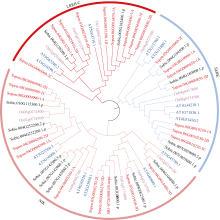
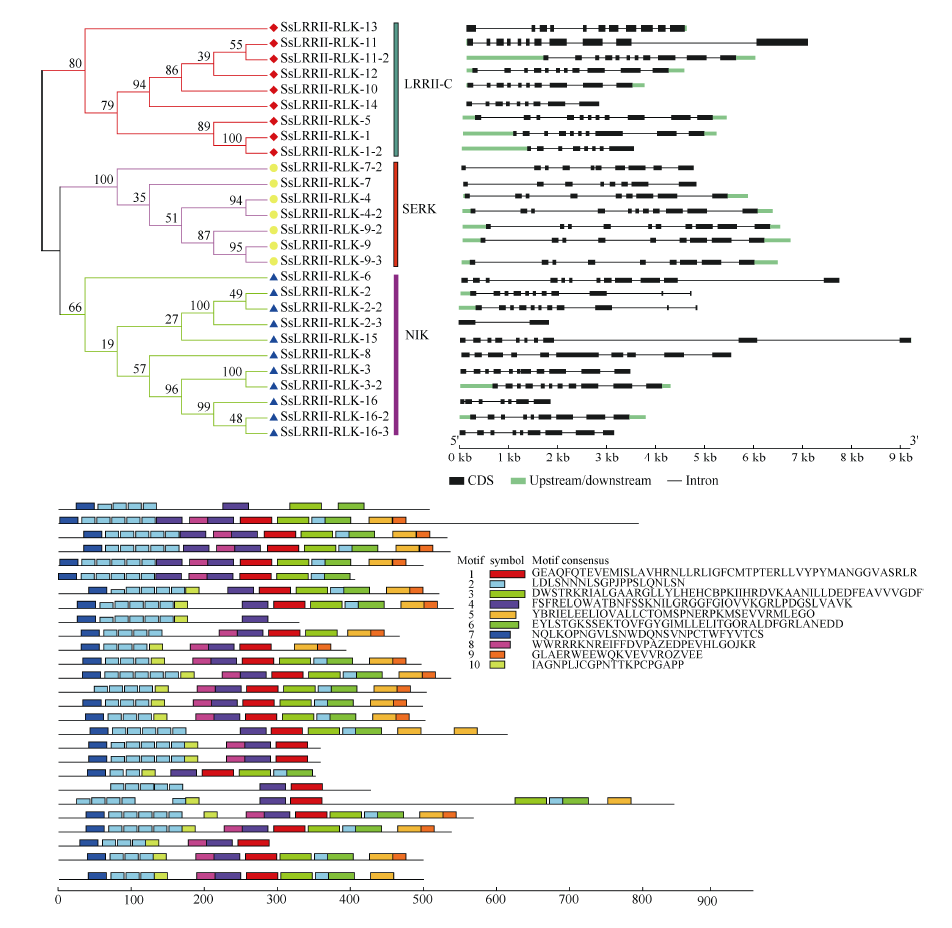
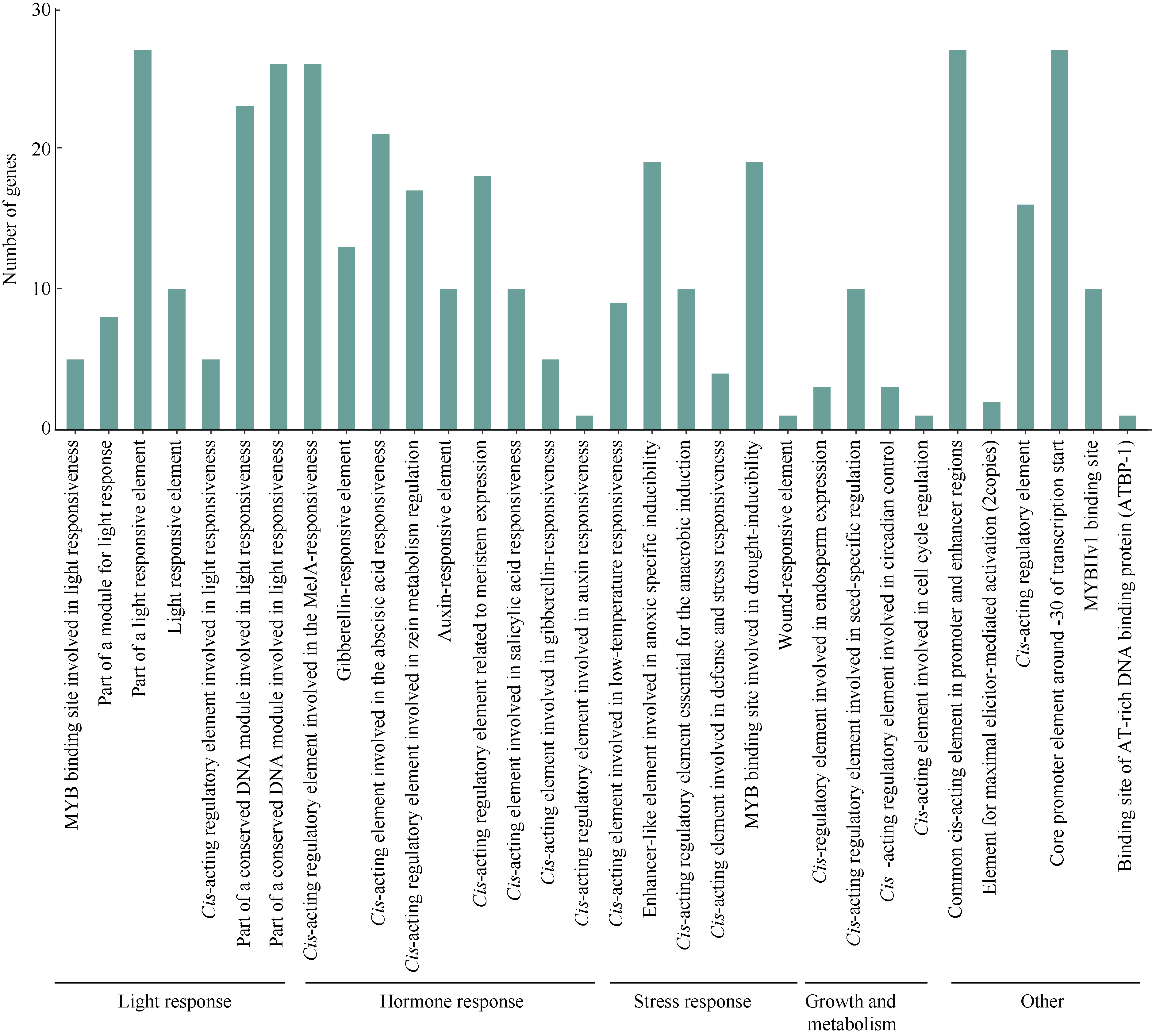
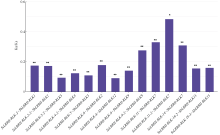
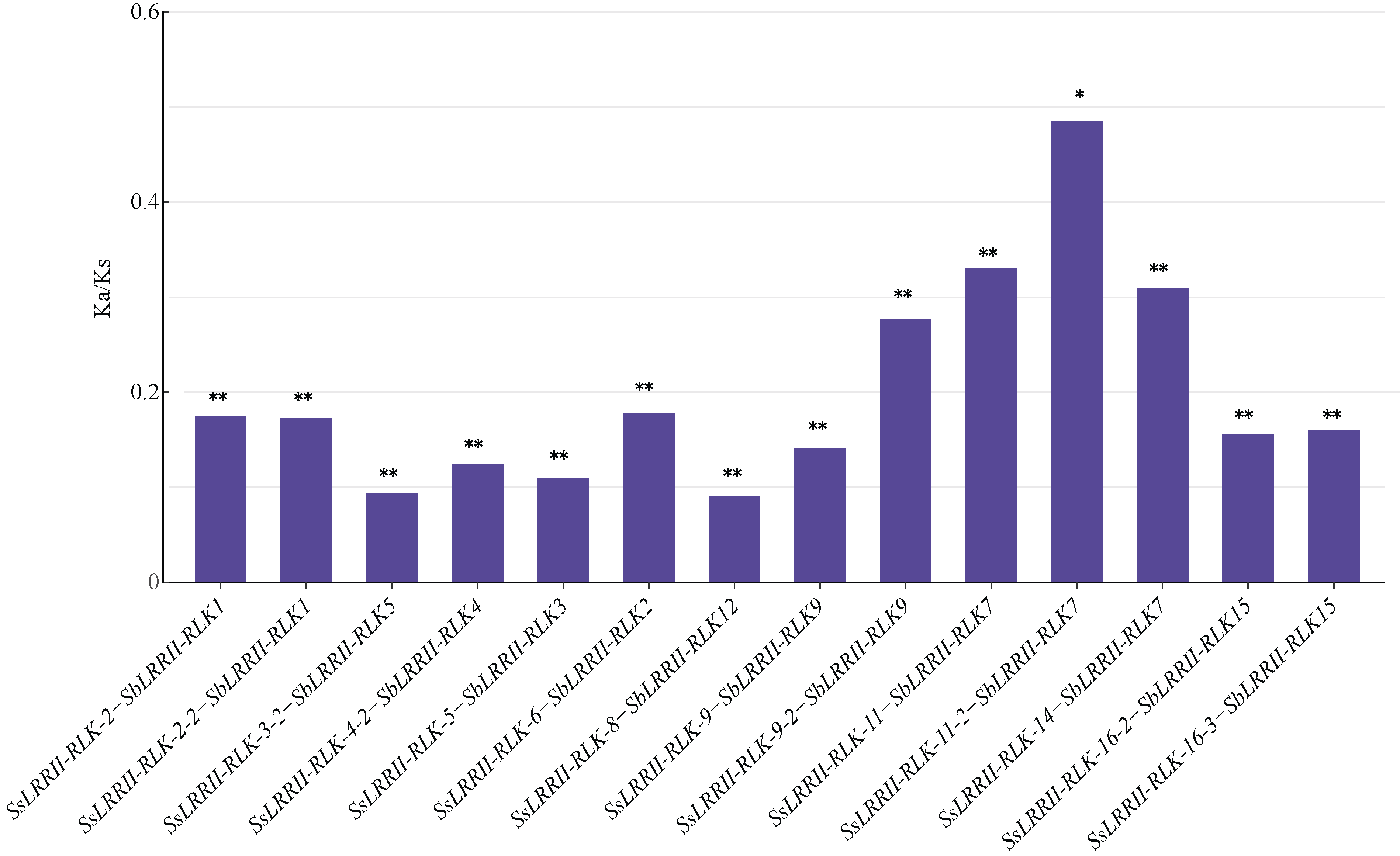
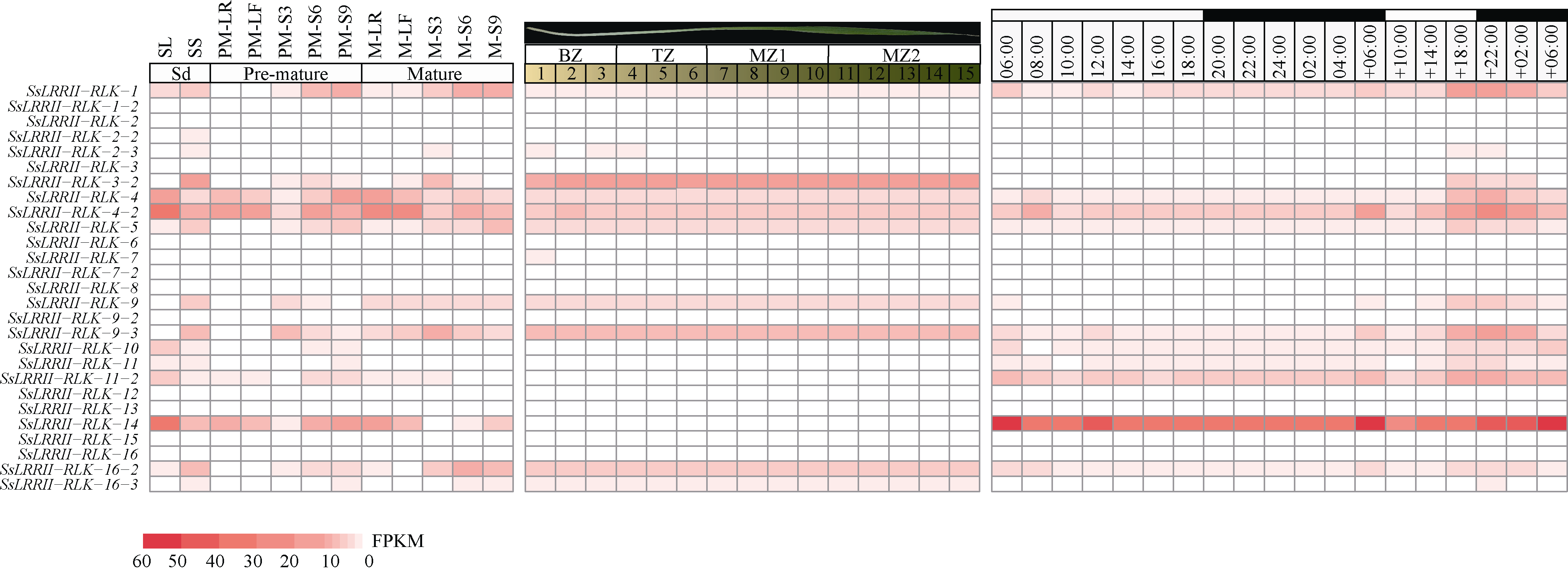
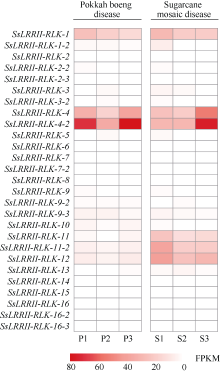
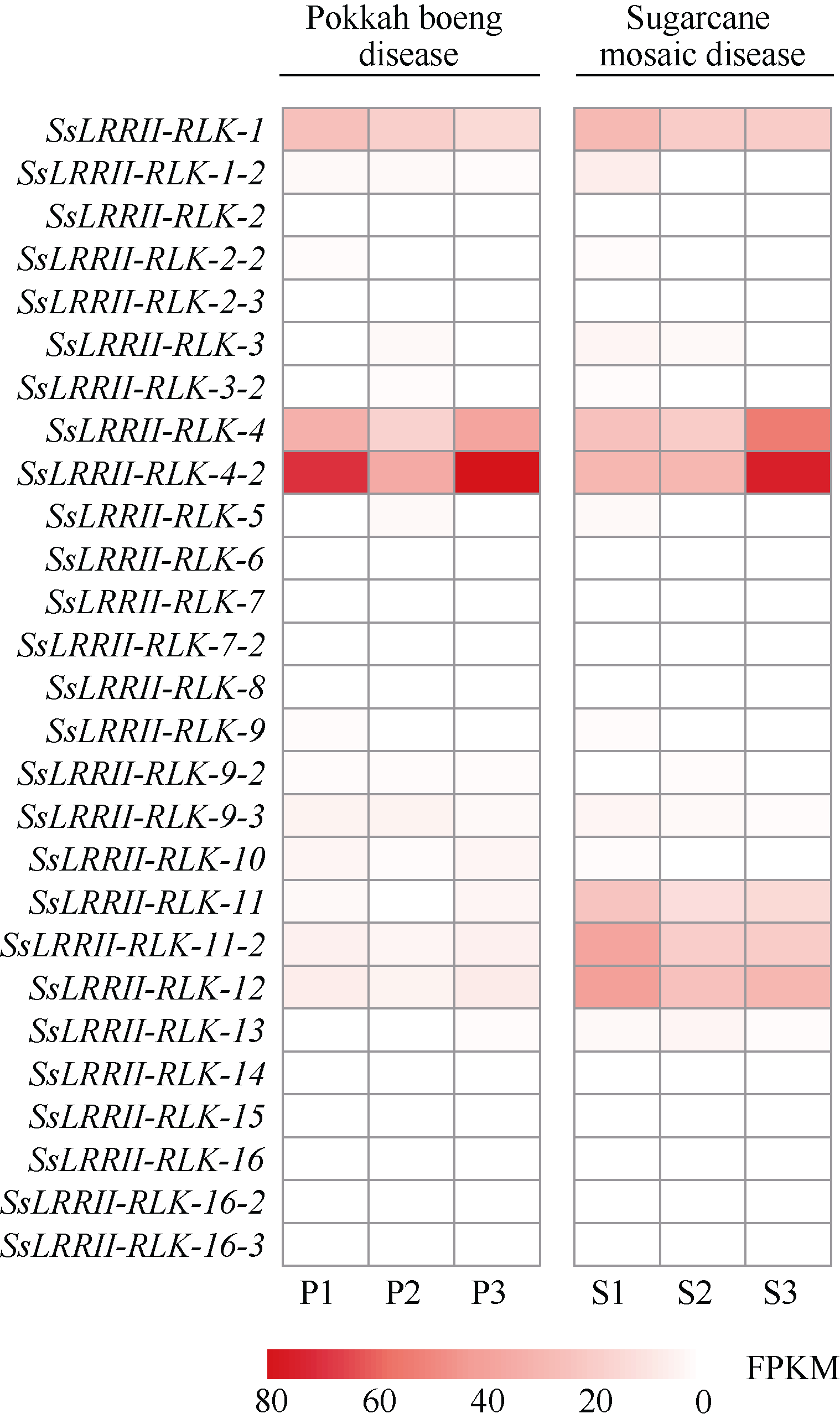
LRRII-RLK是一种类受体激酶(receptor-like kinase, RLK), 该基因家族在植物中广泛存在, 在植物的生长发育和生物胁迫中发挥着重要的作用, 但目前在甘蔗中未见对该基因家族的系统鉴定和分析。本研究对甘蔗的LRRII-RLK基因进行分类, 并研究了其结构和功能。结合割手密种基因组和发育组织、叶片发育梯度、昼夜节律和生物胁迫反应转录组数据, 在甘蔗割手密种中共鉴定到27个LRRII-RLK基因, 分布在17条染色体上。系统进化分析发现, 它们分别属NIK、SERK和LRRII-C分支, 其中处于LRRII-C分支的SsLRRII-RLK基因出现了显著扩增。顺式元件分析显示, 它们的启动子共包含32类顺式元件, 其主要参与植物光反应、响应胁迫反应、调控植物激素和植物生长发育。这些基因共有35对共线性基因对, 具有多个保守基序, 主要通过片段复制的方式进行扩增, 且根据Ka/Ks比率发现, 它们在演化过程中经历了严格的纯化选择作用。此外, SsLRRII-RLK基因表达分析显示, 它们在甘蔗不同组织中表达量不同, 其中部分基因在昼夜不同时期表达量呈现差异, 这表明它们参与了植物生长和光合作用的调节。值得注意的是, SsLRRII-RLK基因的表达模式在不同病害(甘蔗梢腐病和花叶病)胁迫下呈现差异, 因此, 我们认为这些基因在病毒复制和发病机制过程中发挥作用。本研究结果有助于深入了解甘蔗LRRII-RLK基因的演化过程, 且为LRRII-RLK基因在甘蔗生长发育、光合作用以及在病害胁迫中的功能研究提供初步的理论基础。
| [1] | Shiu S H. Plant receptor-like kinase gene family: diversity, function, and signaling. Sci STKE, 2001, 2001: re22. |
| [2] |
Shiu S H, Bleecker A B. Receptor-like kinases from Arabidopsis form a monophyletic gene family related to animal receptor kinases. Proc Natl Acad Sci USA, 2001, 98: 10763-10768.
doi: 10.1073/pnas.181141598 pmid: 11526204 |
| [3] |
Shiu S H, Karlowski W M, Pan R, Tzeng Y H, Mayer K F, Li W H. Comparative analysis of the receptor-like kinase family in Arabidopsis and rice. Plant Cell, 2004, 16: 1220-1234.
doi: 10.1105/tpc.020834 |
| [4] |
Sun X, Wang G L. Genome-wide identification, characterization and phylogenetic analysis of the rice LRR-kinases. PLoS One, 2011, 6: e16079.
doi: 10.1371/journal.pone.0016079 |
| [5] |
Shiu S H, Bleecker A B. Receptor-like kinases from Arabidopsis form a monophyletic gene family related to animal receptor kinases. Proc Natl Acad Sci USA, 2001, 98: 10763-10768.
doi: 10.1073/pnas.181141598 pmid: 11526204 |
| [6] |
Tang P, Ying Z, Sun X, Tian D, Yang S, Jing D. Disease resistance signature of the leucine-rich repeat receptor-like kinase genes in four plant species. Plant Sci, 2010, 179: 399-406.
doi: 10.1016/j.plantsci.2010.06.017 |
| [7] |
Fischer I, Diévart A, Droc G, Dufayard J F, Chantret N. Evolutionary dynamics of the leucine-rich repeat receptor-like kinase (LRR-RLK) subfamily in angiosperms. Plant Physiol, 2016, 170: 1595-1610.
doi: 10.1104/pp.15.01470 pmid: 26773008 |
| [8] |
Nikolaev S V, Penenko A V, Lavreha V V, Mjolsness E D, Kolchanov N A. A model study of the role of proteins CLV1, CLV2, CLV3, and WUS in regulation of the structure of the shoot apical meristem. Russ J Dev Biol, 2007, 38: 383-388.
doi: 10.1134/S1062360407060069 |
| [9] |
Gómez-Gómez L, Boller T. FLS2: an LRR receptor-like kinase involved in the perception of the bacterial elicitor flagellin in Arabidopsis. Mol Cell, 2000, 5: 1003-1011.
doi: 10.1016/s1097-2765(00)80265-8 pmid: 10911994 |
| [10] |
Zipfel C, Kunze G, Chinchilla D, Caniard A, Jones J D G, Boller T, Felix G. Perception of the bacterial PAMP EF-Tu by the receptor EFR restricts Agrobacterium-mediated transformation. Cell, 2006, 125: 749-760.
doi: 10.1016/j.cell.2006.03.037 pmid: 16713565 |
| [11] |
Jia L, Wen J, Lease K A, Doke J T, Walker J C. BAK1, an Arabidopsis LRR receptor-like protein kinase, interacts with BRI1 and modulates brassinosteroid signaling. Cell, 2002, 110: 213-222.
doi: 10.1016/s0092-8674(02)00812-7 pmid: 12150929 |
| [12] |
Chinchilla D, Shan L, He P, De Vries S, Kemmerling B. One for all: the receptor-associated kinase BAK1. Trends Plant Sci, 2009, 14: 535-541.
doi: 10.1016/j.tplants.2009.08.002 pmid: 19748302 |
| [13] |
Mariano A C, Andrade M O, Santos A A, Carolino S, Oliveira M L, Baracat-Pereira M C, Brommonshenkel S H, Fontes E. Identification of a novel receptor-like protein kinase that interacts with a geminivirus nuclear shuttle protein. Virology, 2004, 318: 24-31.
doi: 10.1016/j.virol.2003.09.038 pmid: 14972531 |
| [14] |
Zorzatto C, Machado J P, Lopes K V, Nascimento K J, Pereira W A, Brustolini O J, Reis P A, Calil I P, Deguchi M, Sachetto-Martins G, Gouveia B C, Loriato V A, Silva M A, Silva F F, Santos A A, Chory J, Fontes E P. NIK1-mediated translation suppression functions as a plant antiviral immunity mechanism. Nature, 2015, 520: 679-682.
doi: 10.1038/nature14171 |
| [15] |
Fontes E P, Santos A A, Luz D F, Waclawovsky A J, Chory J. The geminivirus nuclear shuttle protein is a virulence factor that suppresses transmembrane receptor kinase activity. Genes Dev, 2004, 18: 2545-2556.
doi: 10.1101/gad.1245904 |
| [16] |
Santos A A, Lopes K V, Apfata J A, Fontes E P. NSP-interacting kinase, NIK: a transducer of plant defence signalling. J Exp Bot, 2010, 61: 3839-3845.
doi: 10.1093/jxb/erq219 pmid: 20624762 |
| [17] |
Ali A, Khan M, Sharif R, Mujtaba M, Gao S J. Sugarcane Omics: an update on the current status of research and crop improvement. Plants (Basel), 2019, 8: 344.
doi: 10.3390/plants8090344 |
| [18] |
Zhang J, Zhang X, Tang H, Zhang Q, Hua X, Ma X, Zhu F, Jones T, Zhu X, Bowers J. Allele-defined genome of the autopolyploid sugarcane Saccharum spontaneum L. Nat Genet, 2018, 50: 1565-1573.
doi: 10.1038/s41588-018-0237-2 |
| [19] |
Viklund H K, Elofsson A. Best alpha-helical transmembrane protein topology predictions are achieved using hidden Markov models and evolutionary information. Protein Sci, 2004, 13: 1908-1917.
pmid: 15215532 |
| [20] |
Price M N, Dehal P S, Arkin A P. FastTree 2: approximately maximum-likelihood trees for large alignments. PLoS One, 2010, 5: e9490.
doi: 10.1371/journal.pone.0009490 |
| [21] |
Yuan Y, Yang X, Feng M, Ding H, Khan M T, Zhang J, Zhang M. Genome-wide analysis of R2R3-MYB transcription factors family in the autopolyploid Saccharum spontaneum: an exploration of dominance expression and stress response. BMC Genomics, 2021, 22: 1-18.
doi: 10.1186/s12864-020-07350-y |
| [22] |
Katoh K, Standley D M. Katoh K, Standley D M. MAFFT multiple sequence alignment software version 7: improvements in performance and usability. Mol Biol Evol, 2013, 30: 772-780.
doi: 10.1093/molbev/mst010 pmid: 23329690 |
| [23] |
Sun J, Li L, Wang P, Zhang S, Wu J. Genome-wide characterization, evolution, and expression analysis of the leucine-rich repeat receptor-like protein kinase (LRR-RLK) gene family in Rosaceae genomes. BMC Genomics, 2017, 18: 763.
doi: 10.1186/s12864-017-4155-y pmid: 29017442 |
| [24] |
Magalhães D M, Scholte L, Silva N V, Oliveira G C, Zipfel C, Takita M A, Souza A D. LRR-RLK family from two Citrus species: genome-wide identification and evolutionary aspects. BMC Genomics, 2016, 17: 623.
doi: 10.1186/s12864-016-2930-9 pmid: 27515968 |
| [25] |
Yuan N, Rai K M, Balasubramanian V K, Upadhyay S K, Luo H, Mendu V. Genome-wide identification and characterization of LRR-RLKs reveal functional conservation of the SIF subfamily in cotton (Gossypium hirsutum). BMC Plant Biol, 2018, 18: 185.
doi: 10.1186/s12870-018-1395-1 |
| [26] |
Wang J, Hu T, Wang W, Hu H, Wei Q, Bao C. Investigation of evolutionary and expressional relationships in the function of the leucine-rich repeat receptor-like protein kinase gene family (LRR-RLK) in the radish (Raphanus sativus L.). Sci Rep, 2019, 9: 6937.
doi: 10.1038/s41598-019-43516-9 |
| [27] |
Wei Z, Wang J, Yang S, Song Y. Identification and expression analysis of the LRR-RLK gene family in tomato (Solanum lycopersicum) Heinz 1706. Genome, 2015, 58: 121-134.
doi: 10.1139/gen-2015-0035 pmid: 26207619 |
| [28] |
Li X, Ahmad S, Guo C, Yu J, Cao S, Gao X, Li W, Li H, Guo Y. Identification and characterization of LRR-RLK family genes in potato reveal their involvement in peptide signaling of cell fate decisions and biotic/abiotic stress responses. Cells, 2018, 7: 120.
doi: 10.3390/cells7090120 |
| [29] |
Yu J, Zhang B, Liu S, Guo W, Gao Y, Sun H. Genome-wide characterization, evolution and expression analysis of the leucine-rich repeat receptor-like kinase (LRR-RLK) gene family in cucumbers. Plant Prot Sci, 2022, 58: 125-138.
doi: 10.17221/131/2021-PPS |
| [30] |
Hu B, Jin J, Guo A Y, Zhang H, Luo J, Gao G. GSDS 2.0: an upgraded gene feature visualization server. Bioinformatics, 2015, 31: 1296-1297.
doi: 10.1093/bioinformatics/btu817 pmid: 25504850 |
| [31] | Bailey T L, Boden M, Buske F A, Frith M, Grant C E, Clementi L, Ren J, Li W W, Noble W S. MEME SUITE: tools for motif discovery and searching. Nucleic Acids Res, 2009, 37: W202-W208. |
| [32] |
Wang Y, Tang H, Debarry J D, Tan X, Li J, Wang X, Lee T H, Jin H, Marler B, Guo H. MCScanX: a toolkit for detection and evolutionary analysis of gene synteny and collinearity. Nucleic Acids Res, 2012, 40: e49.
doi: 10.1093/nar/gkr1293 |
| [33] |
Krzywinski M, Schein J, Birol I, Connors J, Gascoyne R, Horsman D, Jones S J, Marra M A. Circos: an information aesthetic for comparative genomics. Genome Res, 2009, 19: 1639-1645.
doi: 10.1101/gr.092759.109 pmid: 19541911 |
| [34] |
Tang H, Bowers J E, Wang X, Ming R, Alam M, Paterson A H. Synteny and collinearity in plant genomes. Science, 2008, 320: 486-488.
doi: 10.1126/science.1153917 pmid: 18436778 |
| [35] |
Wang D, Zhang Y, Zhang Z, Zhu J, Yu J. KaKs_Calculator 2.0: a toolkit incorporating gamma-series methods and sliding window strategies. Genom Proteom Bioinf, 2010, 8: 77-80.
doi: 10.1016/S1672-0229(10)60008-3 pmid: 20451164 |
| [36] |
Gaut B S, Morton B R, Mccaig B C, Clegg M T. Substitution rate comparisons between grasses and palms: synonymous rate differences at the nuclear gene Adh parallel rate differences at the plastid gene rbcL. Proc Natl Acad Sci USA, 1996, 93: 10274-10279.
doi: 10.1073/pnas.93.19.10274 pmid: 8816790 |
| [37] |
Chen Y, Zhang Q, Hu W, Zhang X, Wang L, Hua X, Yu Q, Ming R, Zhang J. Evolution and expression of the fructokinase gene family in Saccharum. BMC Genomics, 2017, 18: 197.
doi: 10.1186/s12864-017-3535-7 pmid: 28222695 |
| [38] |
Zhang Q, Hua X, Liu H, Yuan Y, Shi Y, Wang Z, Zhang M, Ming R, Zhang J. Evolutionary expansion and functional divergence of sugar transporters in Saccharum (S. spontaneum and S. officinarum). Plant J, 2021, 105: 884-906.
doi: 10.1111/tpj.v105.4 |
| [39] |
Li Z, Hua X, Zhong W, Yuan Y, Wang Y, Wang Z, Ming R, Zhang J. Genome-wide identification and expression profile analysis of WRKY family genes in the autopolyploid Saccharum spontaneum. Plant Cell Physiol, 2019, 61: 616-630.
doi: 10.1093/pcp/pcz227 |
| [40] |
Livak K J, Schmittgen T D. Analysis of relative gene expression data using real-time quantitative PCR and the 2−ΔΔCT method. Methods, 2001, 25: 402-408.
doi: 10.1006/meth.2001.1262 pmid: 11846609 |
| [41] |
Ling H, Wu Q, Guo J, Xu L, Que Y. Comprehensive selection of reference genes for gene expression normalization in sugarcane by real time quantitative RT-PCR. PLoS One, 2015, 10: e0118444.
doi: 10.1371/journal.pone.0118444 |
| [42] |
Swift M L. GraphPad prism, data analysis, and scientific graphing. J Chem Inf Comput Sci, 1997, 37: 411-412.
doi: 10.1021/ci960402j |
| [43] |
Wang P, Moore B M, Panchy N L, Meng F, Lehti-Shiu M D, Shiu S H. Factors influencing gene family size variation among related species in a plant family, Solanaceae. Genome Biol Evol, 2018, 10: 2596-2613.
doi: 10.1093/gbe/evy193 pmid: 30239695 |
| [44] |
Zhang J, Zhang Q, Li L, Tang H, Zhang Q, Chen Y, Arrow J, Zhang X, Wang A, Miao C. Recent polyploidization events in three Saccharum founding species. Plant Biotechnol J, 2019, 17: 264-274.
doi: 10.1111/pbi.2019.17.issue-1 |
| [45] |
Goswami D, Handique P J, Deka S. Rhamnolipid biosurfactant against Fusarium sacchari—the causal organism of pokkah boeng disease of sugarcane. J Basic Microbiol, 2014, 54: 548-557.
doi: 10.1002/jobm.v54.6 |
| [46] |
Xu S, Wang J, Wang H, Bao Y, Li Y, Govindaraju M, Yao W, Chen B, Zhang M. Molecular characterization of carbendazim resistance of Fusarium species complex that causes sugarcane pokkah boeng disease. BMC Genomics, 2019, 20: 115.
doi: 10.1186/s12864-019-5479-6 pmid: 30732567 |
| [47] |
Singh A, Chauhan S S, Singh A, Singh S B. Deterioration in sugarcane due to pokkah boeng disease. Sugar Technol, 2006, 8: 187-190.
doi: 10.1007/BF02943659 |
| [48] |
Yang Z N, Mirkov T E. Sequence and relationships of sugarcane mosaic and sorghum mosaic virus strains and development of RT-PCR-Based RFLPs for strain discrimination. Phytopathology, 1997, 87: 932-939.
doi: 10.1094/PHYTO.1997.87.9.932 pmid: 18945064 |
| [49] |
Xu D L, Park J W, Mirkov T E, Zhou G H. Viruses causing mosaic disease in sugarcane and their genetic diversity in southern China. Arch Virol, 2008, 153: 1031-1039.
doi: 10.1007/s00705-008-0072-3 pmid: 18438601 |
| [50] |
Chauhan R P, Rajakaruna P, Verchot J. Complete genome sequence of nine isolates of canna yellow streak virus reveals its relationship to the sugarcane mosaic virus (SCMV) subgroup of potyviruses. Arch Virol, 2015, 160: 837-844.
doi: 10.1007/s00705-014-2327-5 pmid: 25567205 |
| [51] |
Zhou F, Guo Y, Qiu L J. Genome-wide identification and evolutionary analysis of leucine-rich repeat receptor-like protein kinase genes in soybean. BMC Plant Biol, 2016, 16: 58.
doi: 10.1186/s12870-016-0744-1 pmid: 26935840 |
| [52] |
Santos A, Lopes K, Apfata J, Fontes E. NSP-interacting kinase, NIK: a transducer of plant defence signalling. J Exp Bot, 2010, 2010, 61: 3839-3845.
doi: 10.1093/jxb/erq219 pmid: 20624762 |
| [53] |
Hu H, Xiong L, Yang Y. Rice SERK1 gene positively regulates somatic embryogenesis of cultured cell and host defense response against fungal infection. Planta, 2005, 222: 107-117.
doi: 10.1007/s00425-005-1534-4 pmid: 15968510 |
| [54] |
Kim C, Wang X, Lee T H, Jakob K, Lee G J, Paterson A H. Comparative analysis of Miscanthus and Saccharum reveals a shared whole-genome duplication but different evolutionary fates. Plant Cell, 2014, 26: 2420-2429.
doi: 10.1105/tpc.114.125583 |
| [55] |
Sakamoto T, Deguchi M, Brustolini O J, Santos A A, Silva F F, Fontes E P. The tomato RLK superfamily: phylogeny and functional predictions about the role of the LRRII-RLK subfamily in antiviral defense. BMC Plant Biol, 2012, 12: 229.
doi: 10.1186/1471-2229-12-229 pmid: 23198823 |
| [56] |
Cannon S B, Mitra A, Baumgarten A, Young N D, May G. The roles of segmental and tandem gene duplication in the evolution of large gene families in Arabidopsis thaliana. BMC Plant Biol, 2004, 4: 10.
doi: 10.1186/1471-2229-4-10 |
| [57] |
Zhang Z, Li X. Genome-wide identification of AP2/ERF superfamily genes and their expression during fruit ripening of Chinese jujube. Sci Rep, 2018, 8: 15612.
doi: 10.1038/s41598-018-33744-w pmid: 30353116 |
| [58] |
Guo B, Wei Y, Xu R, Lin S, Luan H, Lyu C, Zhang X, Song X, Xu R. Genome-wide analysis of APETALA2/ethylene-responsive factor (AP2/ERF) gene family in barley (Hordeum vulgare L.). PLoS One, 2016, 11: e0161322.
doi: 10.1371/journal.pone.0161322 |
| [59] |
Niehrs C, Pollet N. Synexpression groups in eukaryotes. Nature, 1999, 402: 483-487.
doi: 10.1038/990025 |
| [60] |
He K, Gou X, Yuan T, Lin H, Asami T, Yoshida S, Russell S D, Li J. BAK1 and BKK1 regulate brassinosteroid-dependent growth and brassinosteroid-independent cell-death pathways. Curr Biol, 2007, 17: 1109-1115.
doi: 10.1016/j.cub.2007.05.036 pmid: 17600708 |
| [61] |
Jin Y L, Tang R J, Wang H H, Jiang C M, Bao Y, Yang Y, Liang M X, Sun Z C, Kong F J, Li B. Overexpression of Populus trichocarpa CYP85A3 promotes growth and biomass production in transgenic trees. Plant Biotechnol J, 2017, 15: 1309-1321.
doi: 10.1111/pbi.12717 pmid: 28258966 |
| [62] |
Lakhssassi N, Liu S, Bekal S, Zhou Z, Colantonio V, Lambert K, Barakat A, Meksem K. Characterization of the soluble NSF attachment protein gene family identifies two members involved in additive resistance to a plant pathogen. Sci Rep, 2017, 7: 45226.
doi: 10.1038/srep45226 pmid: 28338077 |
| [63] |
Pérez-Pérez J, Esteve-Bruna D, González-Bayón R, Kangasj R S, Caldana C, Hannah M A, Willmitzer L, Micol P. Functional redundancy and divergence within the Arabidopsis RETICULATA-RELATED gene family. Plant Physiol, 2013, 162: 589-603.
doi: 10.1104/pp.113.217323 pmid: 23596191 |
| [64] |
Lakhssassi N, Doblas V G, Rosado A, Del Valle A E, Posé D, Jimenez A J, Castillo A G, Valpuesta V, Borsani O, Botella M A. The Arabidopsis TETRATRICOPEPTIDE THIOREDOXIN-LIKE gene family is required for osmotic stress tolerance and male sporogenesis. Plant Physiol, 2012, 158: 1252-1266.
doi: 10.1104/pp.111.188920 pmid: 22232384 |
| [65] |
Ni Z, Kim E D, Ha M, Lackey E, Liu J, Zhang Y, Sun Q, Chen Z J. Altered circadian rhythms regulate growth vigour in hybrids and allopolyploids. Nature, 2009, 457: 327-331.
doi: 10.1038/nature07523 |
| [66] |
Michael T P, Salome P A, Yu H J, Spencer T R, Sharp E L, McPeek M A, Alonso J M, Ecker J R, McClung C R. Enhanced fitness conferred by naturally occurring variation in the circadian clock. Science, 2003, 302: 1049-1053.
doi: 10.1126/science.1082971 pmid: 14605371 |
| [67] |
Giuliano G, Hoffman N E, Ko K, Scolnik P A, Cashmore A R. A light-entrained circadian clock controls transcription of several plant genes. EMBO J, 1988, 7: 3635-3642.
doi: 10.1002/j.1460-2075.1988.tb03244.x pmid: 3208743 |
| [68] |
Green R M, Tingay S, Wang Z Y, Tobin E M. Circadian rhythms confer a higher level of fitness to Arabidopsis plants. Plant Physiol, 2002, 129: 576-584.
doi: 10.1104/pp.004374 |
| [69] |
Chen X, Zuo S, Schwessinger B, Chern M, Canlas P E, Ruan D, Zhou X, Wang J, Daudi A, Petzold C J, Heazlewood J L, Ronald P C. An XA21-associated kinase (OsSERK2) regulates immunity mediated by the XA21 and XA3 immune receptors. Mol Plant, 2014, 7: 874-892.
doi: 10.1093/mp/ssu003 pmid: 24482436 |
| [70] |
Chaparro-Garcia A, Wilkinson R C, Gimenez-Ibanez S, Findlay K, Coffey M D, Zipfel C, Rathjen J P, Kamoun S, Schornack S. The receptor-like kinase SERK3/BAK1 is required for basal resistance against the late blight pathogen Phytophthora infestans in Nicotiana benthamiana. PLoS One, 2011, 6: e16608.
doi: 10.1371/journal.pone.0016608 |
| [1] | 王亚, 赵宜婷, 王宙, 杨俊芳, 张宏斌, 曹越. 转录组-代谢组联合分析蓖麻蜡质合成相关基因[J]. 作物学报, 2026, 52(6): 1774-1787. |
| [2] | 杨宗桃, 杨婷, 王禹童, 艾静, 李燕烨, 刘家勇, 邓军, 赵勇, 张跃彬. 甘蔗CLC基因家族鉴定与表达分析[J]. 作物学报, 2026, 52(3): 722-734. |
| [3] | 田甲春, 葛霞, 李守强, 李梅, 田世龙, 张亚倩, 程建新, 李玉梅. 低O2高CO2贮藏环境延缓马铃薯块茎衰老的作用机制[J]. 作物学报, 2026, 52(1): 262-278. |
| [4] | 吉白璐, 孙艺文, 刘万峰, 钱亚新, 蒋彩虹, 耿锐梅, 刘旦, 程立锐, 杨爱国, 黄立钰, 李晓旭, 蒲文宣, 高军平, 张强, 文柳璎. 烟草脂类合成关键基因NtLPAT的功能验证[J]. 作物学报, 2025, 51(9): 2527-2537. |
| [5] | 许静, 毕竞男, 殷祥贞, 赵健鑫, 赵旭红, 潘丽娟, 陈娜, 姜骁, 马俊卿, 殷冬梅, 迟晓元. 花生ω-3脂肪酸脱氢酶基因在拟南芥中异源表达及转录组分析[J]. 作物学报, 2025, 51(12): 3251-3265. |
| [6] | 殷祥贞, 赵健鑫, 郝翠翠, 潘丽娟, 陈娜, 许静, 姜骁, 赵旭红, 王恩琪, 曹欢, 禹山林, 迟晓元. 花生转录因子基因AhWRI1的克隆及表达分析[J]. 作物学报, 2024, 50(12): 3155-3164. |
| [7] | 王恒波, 冯春燕, 张以星, 谢婉婕, 杜翠翠, 吴明星, 张积森. 甘蔗割手密种转录因子NAP亚家族的鉴定及SsNAP2a参与叶片衰老的功能分析[J]. 作物学报, 2024, 50(1): 110-125. |
| [8] | 杜翠翠, 吴明星, 张雅婷, 谢婉婕, 张积森, 王恒波. 甘蔗割手密种糖转运蛋白基因SsSWEET11的克隆与功能分析[J]. 作物学报, 2023, 49(9): 2385-2397. |
| [9] | 王会伟, 张向歌, 李春鑫, 许欣然, 胡海燕, 朱雅婧, 王艳, 张新友. 油莎豆耐盐性评估及盐胁迫下幼苗根系转录组学分析[J]. 作物学报, 2023, 49(7): 1882-1894. |
| [10] | 贾小霞, 齐恩芳, 马胜, 黄伟, 郑永伟, 白永杰, 文国宏. 马铃薯PYL基因家族的全基因组鉴定及表达分析[J]. 作物学报, 2022, 48(10): 2533-2545. |
| [11] | 解盼, 刘蔚, 康郁, 华玮, 钱论文, 官春云, 何昕. 甘蓝型油菜CBF基因家族的鉴定和表达分析[J]. 作物学报, 2021, 47(12): 2394-2406. |
| [12] | 曾健, 徐先超, 徐昱斐, 王秀成, 于海燕, 冯贝贝, 邢光南. 利用动态转录组学挖掘大豆百粒重候选基因[J]. 作物学报, 2021, 47(11): 2121-2133. |
| [13] | 秦天元, 孙超, 毕真真, 梁文君, 李鹏程, 张俊莲, 白江平. 基于WGCNA的马铃薯根系抗旱相关共表达模块鉴定和核心基因发掘[J]. 作物学报, 2020, 46(7): 1033-1051. |
| [14] | 谈欢,刘玉汇,李丽霞,王丽,李元铭,张俊莲. 马铃薯块茎花色素苷合成相关R2R3 MYB蛋白基因的克隆和功能 分析[J]. 作物学报, 2018, 44(7): 1021-1031. |
| [15] | 周天山,王新超,余有本,肖瑶,钱文俊,肖斌,杨亚军. 紫芽茶树类黄酮生物合成关键酶基因表达与总儿茶素、花青素含量相关性分析[J]. 作物学报, 2016, 42(04): 525-531 . |
|
||