欢迎访问作物学报,今天是
作物学报 ›› 2026, Vol. 52 ›› Issue (10): 2912-2926.doi: 10.3724/SP.J.1006.2026.65001
杨琴莉1( ), 张晓玲1, 张丽贤1,2, 李红利1,2, 张换样1, 李换丽1, 孙彩红1,2, 李静1, 朱永红1, 孙璇1, 姚琳1, 王丹1, 上官小霞1,*()
Yang Qin-Li1(), Zhang Xiao-Ling1, Zhang Li-Xian1,2, Li Hong-Li1,2, Zhang Huan-Yang1, Li Huan-Li1, Sun Cai-Hong1,2, Li Jing1, Zhu Yong-Hong1, Sun Xuan1, Yao Lin1, Wang Dan1, Shang-Guan Xiao-Xia1,*()
摘要:
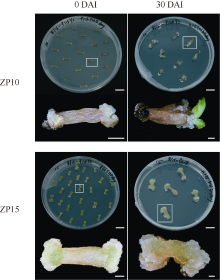
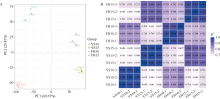
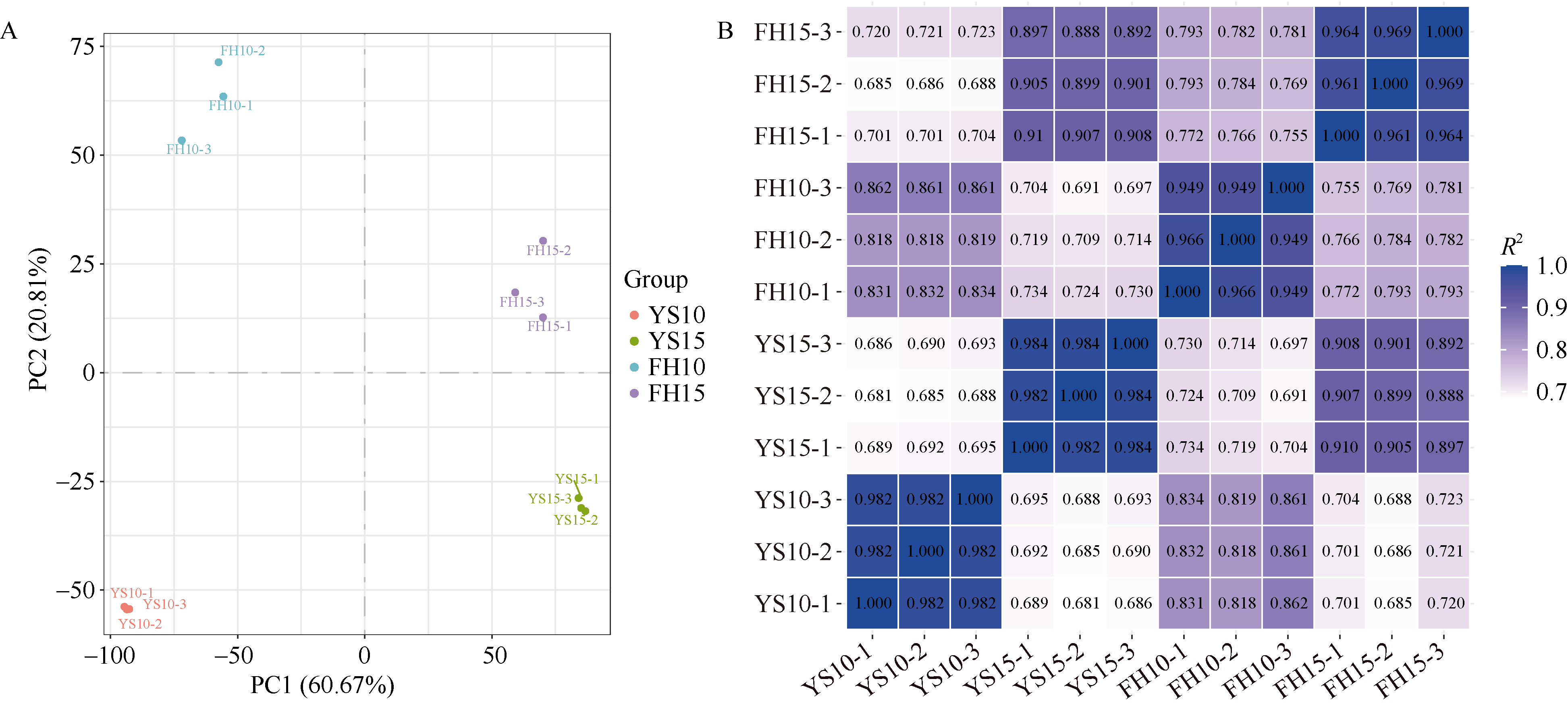
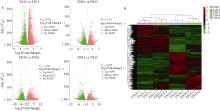
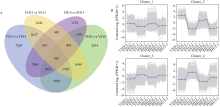
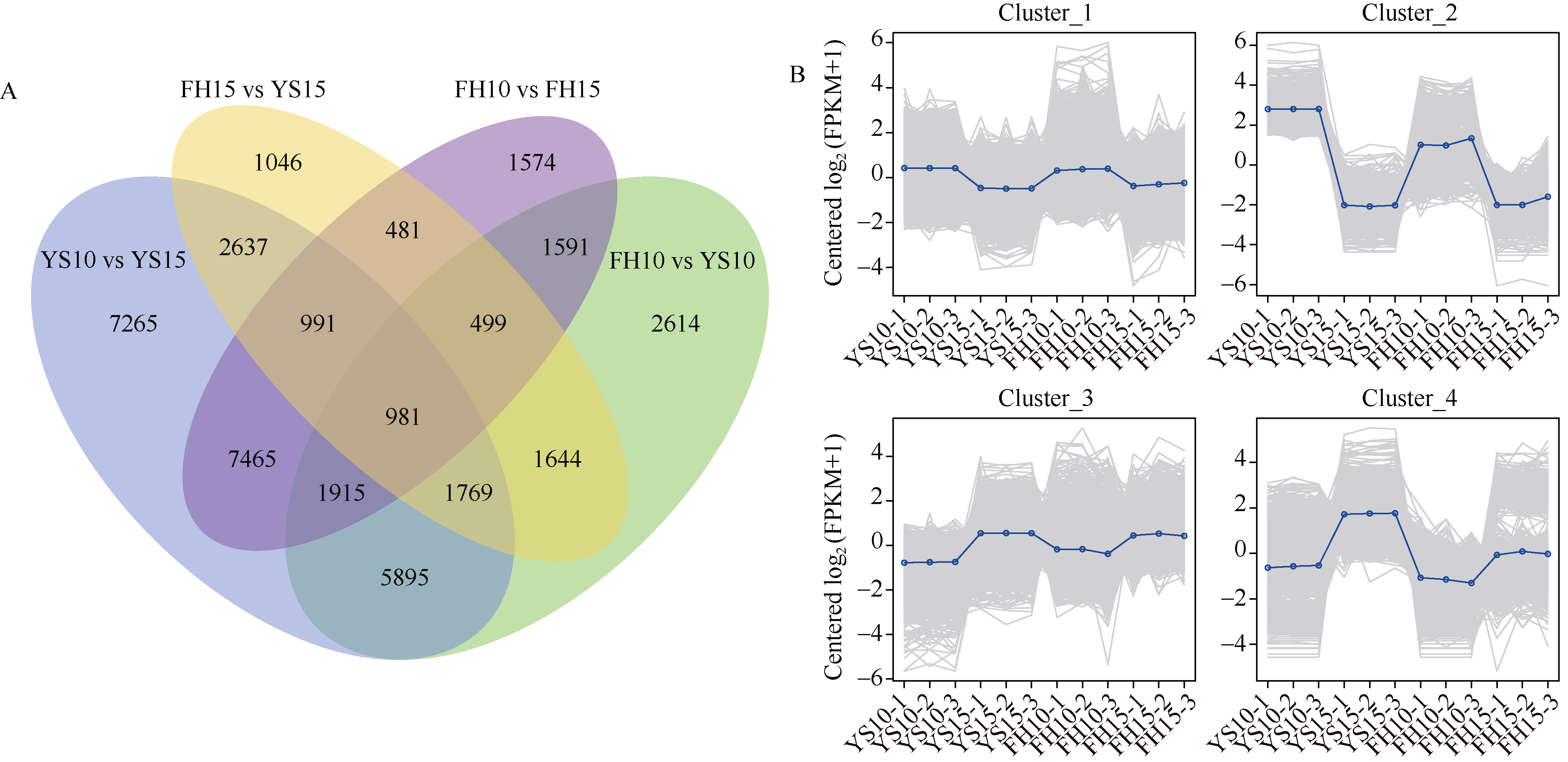
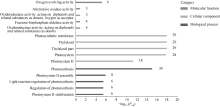
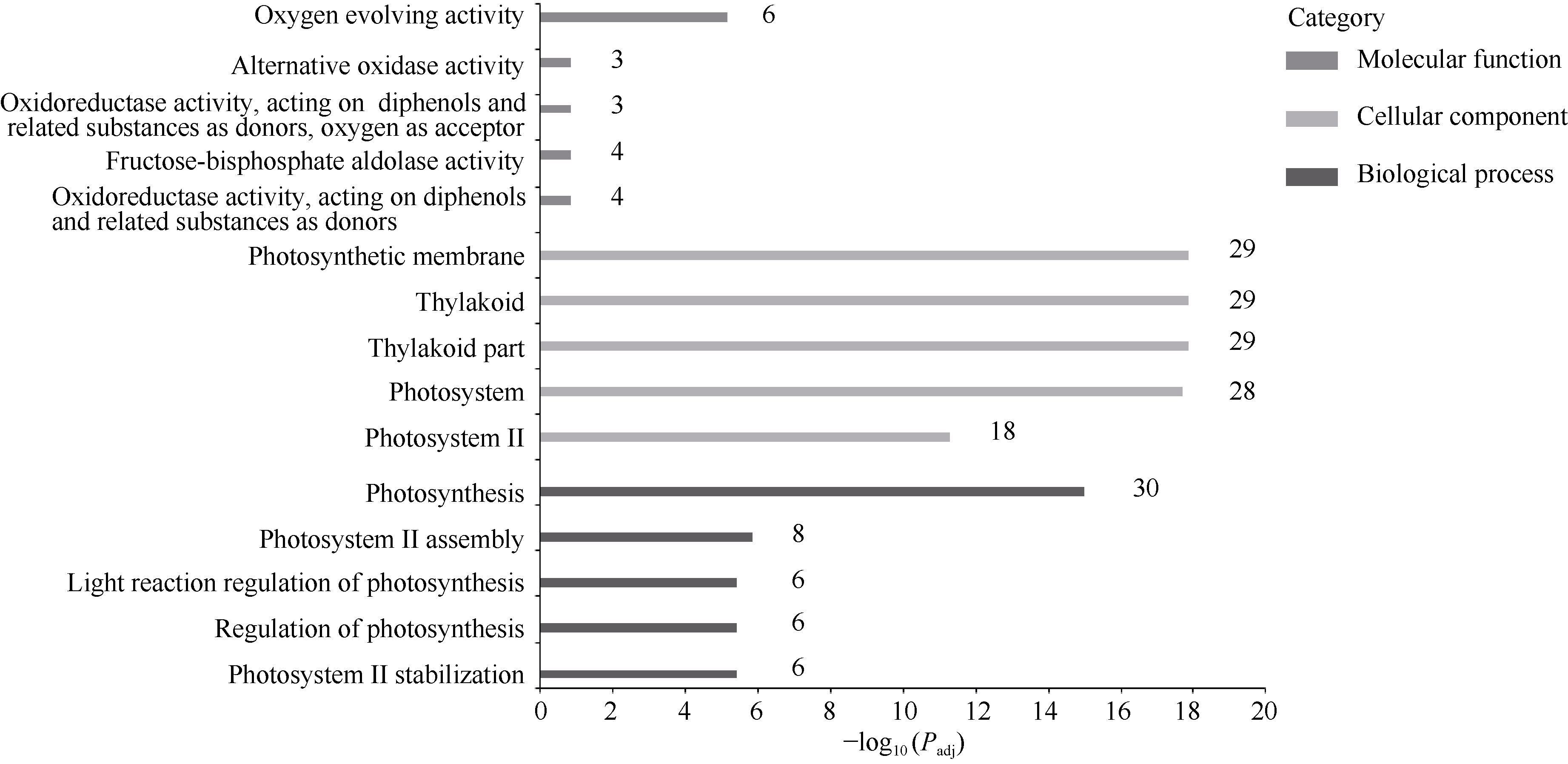
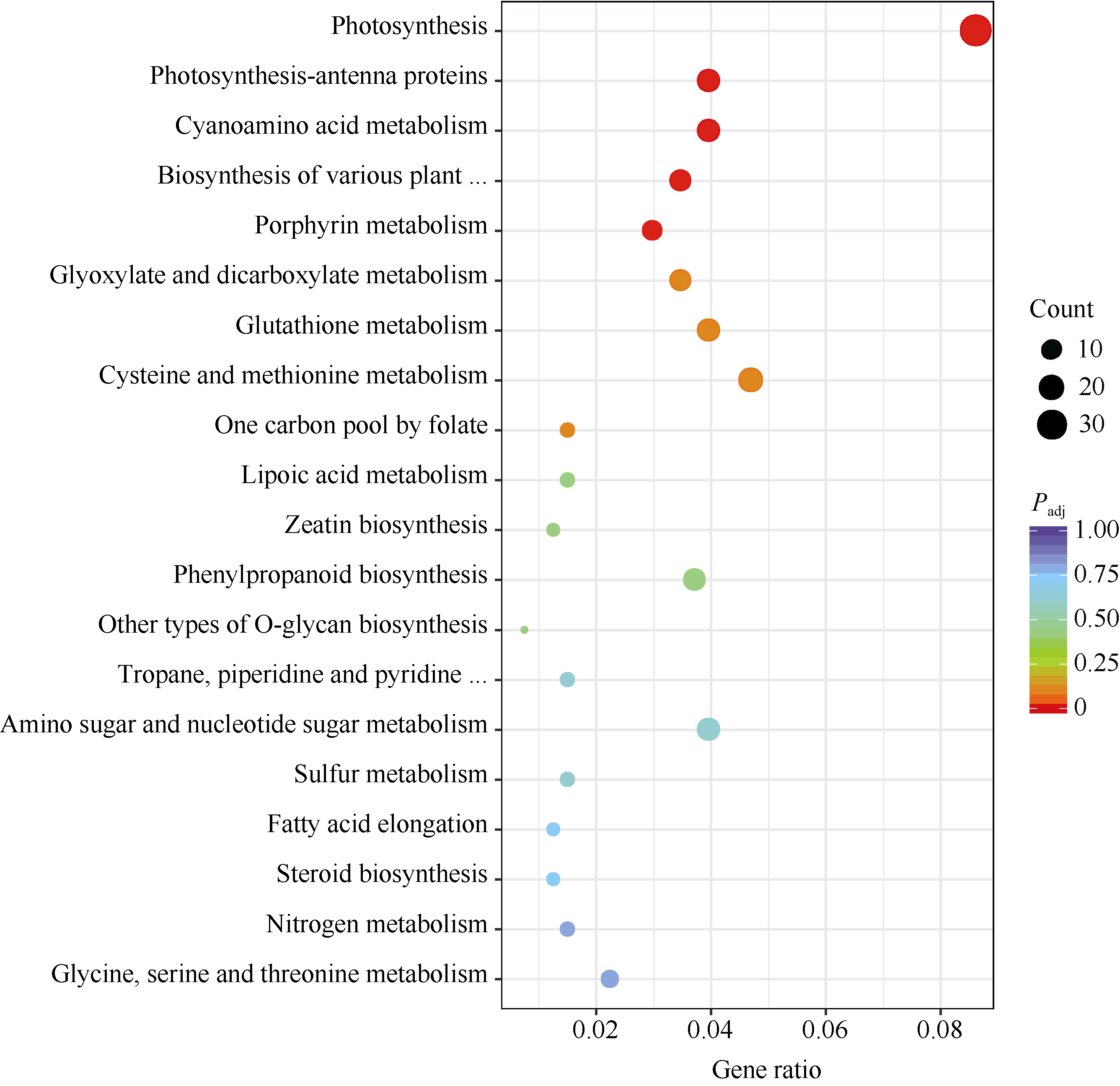
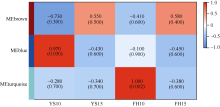
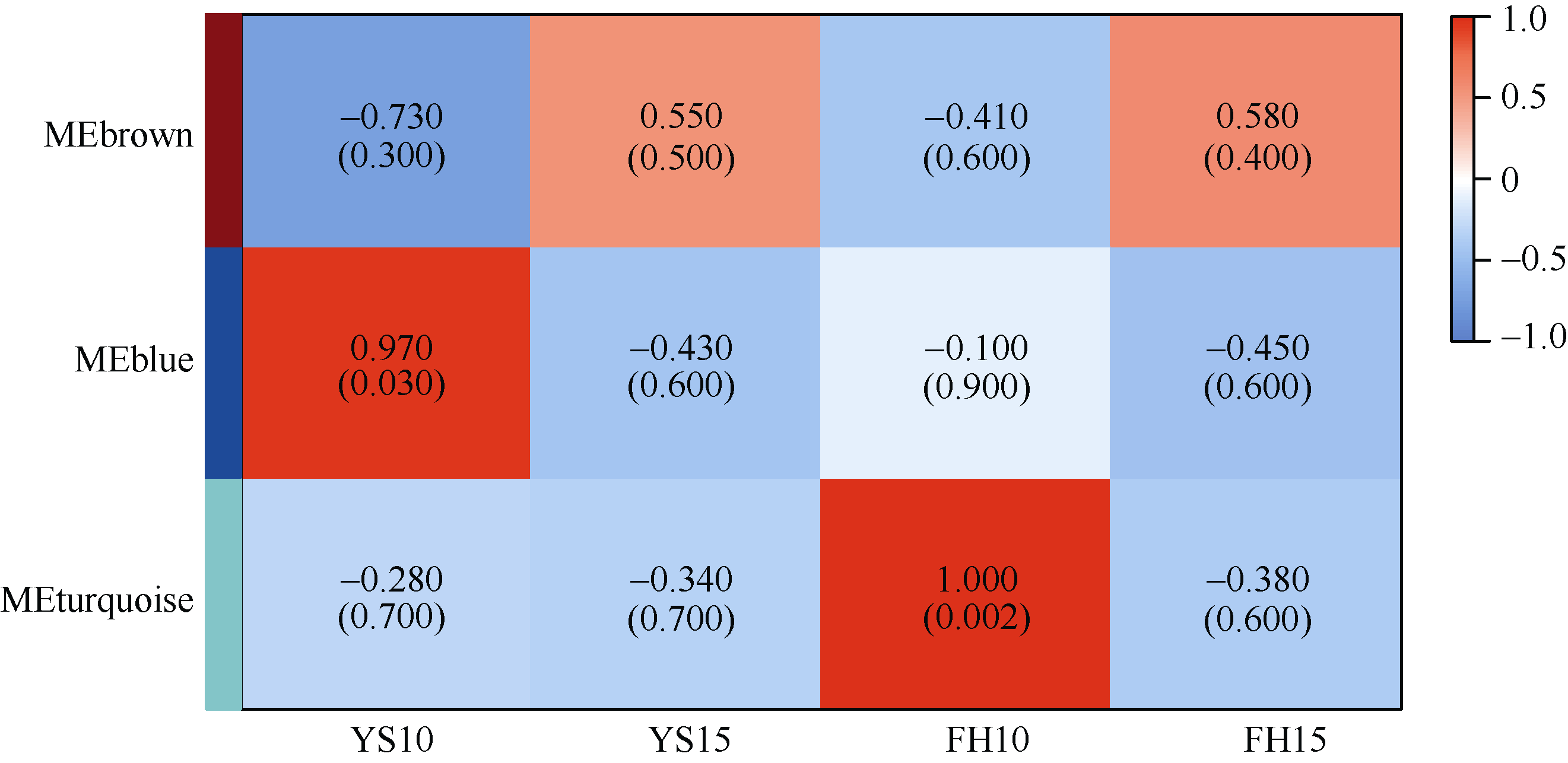
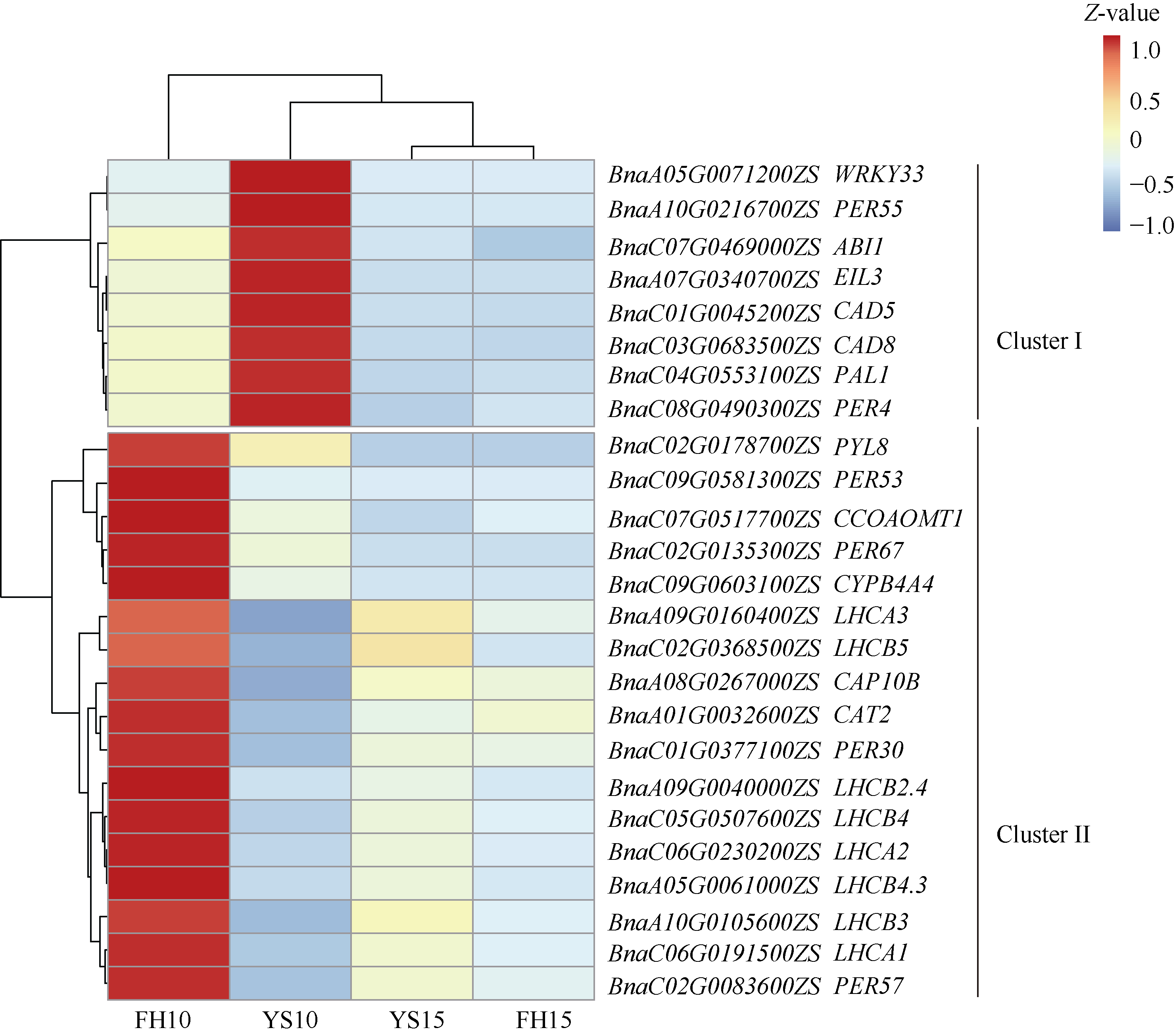
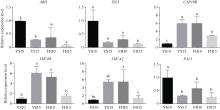
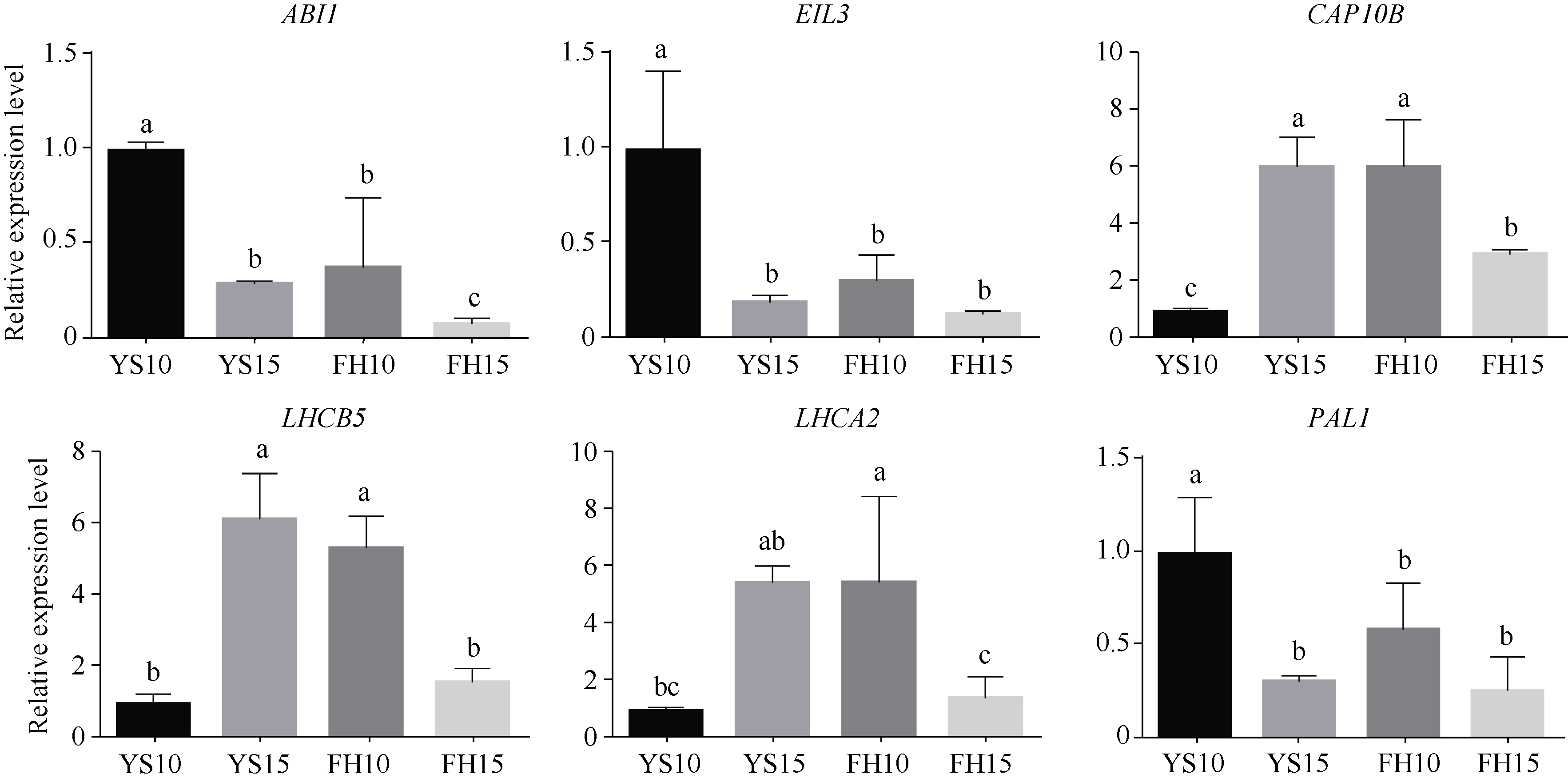
甘蓝型油菜遗传转化效率受其愈伤组织分化能力的严重制约, 且不同基因型间差异显著。本研究通过2个关键时间点的转录组分析, 解析导致分化能力差异的分子机制, 为遗传改良提供理论依据与基因资源。在20份不同基因型甘蓝型油菜中筛选出愈伤组织分化能力差异极显著的典型材料ZP10 (强)和ZP15 (弱), 对二者分化0 DAI (即诱导后0 d)和30 DAI的愈伤组织进行转录组测序与比较分析。差异表达基因(DEGs)筛选共鉴定出1915个基因。GO与KEGG富集分析显示, 这些基因显著富集于植物激素信号转导、光合作用-天线蛋白、光合器官组装及细胞壁生物合成等通路。结合加权基因共表达网络分析(WGCNA), 最终筛选出25个关键候选基因, 其表达模式与高分化能力密切相关。qRT-PCR结果证实了转录组数据的可靠性。综上, 甘蓝型油菜的高愈伤组织分化能力与一个由多基因协同调控的复杂网络有关, 涉及激素信号响应、光合系统初步建立及细胞壁重构等过程。本研究鉴定得到的关键基因为深入解析油菜再生分子机理及培育高转化效率基因型提供了重要靶点。
| [1] |
Karabulut G, Subasi B G, Ivanova P, et al. Towards sustainable and nutritional-based plant protein sources: a review on the role of rapeseed. Food Res Int, 2025, 202: 115553.
doi: 10.1016/j.foodres.2024.115553 |
| [2] |
Zhang R, Fang X L, Feng Z S, et al. Protein from rapeseed for food applications: extraction, sensory quality, functional and nutritional properties. Food Chem, 2024, 439: 138109.
doi: 10.1016/j.foodchem.2023.138109 |
| [3] |
Van Vu T, Thi Nguyen N, Kim J, et al. The evolving landscape of precise DNA insertion in plants. Nat Commun, 2025, 16: 10428.
doi: 10.1038/s41467-025-66715-7 |
| [4] | Ille K, Melzer S. Efficient and versatile rapeseed transformation for new breeding technologies. Plant J, 2025, 123: e70330. |
| [5] | Zhai N, Pan X, Zeng M H, et al. Developmental trajectory of pluripotent stem cell establishment in Arabidopsis callus guided by a quiescent center-related gene network. Development, 2023, 150: dev200879. |
| [6] | 骞宇. 农杆菌介导法将水稻几丁质酶基因导入油菜的研究. 四川大学硕士学位论文, 四川成都, 2004. |
| Qian Y. Studies on Transgenic Rapeseed with Rice Chitinase Gene by Agrobacterium Tumefacien. MS Thesis of Sichuan University, Chengdu, Sichuan, China, 2004 (in Chinese with English abstract). | |
| [7] | 唐桂香. 油菜高效再生体系的创建及农杆菌介导法基因转化研究. 浙江大学博士学位论文, 浙江杭州, 2004. |
| Tang G X. Studies on the Establishment of Efficient Shoot Regeneration System and the Agrobacterium-mediated Transformation in Oilseed Brassica. PhD Dissertation of Zhejiang University, Hangzhou, Zhejiang, China, 2004 (in Chinese with English abstract). | |
| [8] | 黄昌蓉. 甘蓝型油菜早熟基因遗传转化体系的建立及转基因植株初步鉴定. 浙江大学硕士学位论文, 浙江杭州, 2013. |
| Huang C R. Establishment of Genetic Transformation with Earliness Gene and Preliminary Identification of Transgenic Plant in Brassica napus. MS Thesis of Zhejiang University, Hangzhou, Zhejiang, China, 2013 (in Chinese with English abstract). | |
| [9] |
Iwase A, Mita K, Favero D S, et al. WIND1 induces dynamic metabolomic reprogramming during regeneration in Brassica napus. Dev Biol, 2018, 442: 40-52.
doi: 10.1016/j.ydbio.2018.07.006 |
| [10] |
Peng J, Zhang Q, Tang L P, et al. LEC2 induces somatic cell reprogramming through epigenetic activation of plant cell totipotency regulators. Nat Commun, 2025, 16: 4185.
doi: 10.1038/s41467-025-59335-8 |
| [11] | 代力强, 李天娇, 齐运鸿, 等. 玉米自交系胚性愈伤组织再生的转录组分析. 西北农林科技大学学报(自然科学版), 2026, 54(2): 11-23. |
| Dai L Q, Li T J, Qi Y H, et al. Transcriptome analysis of embryogenic callus regeneration in maize inbred line. J Northwest A&F Univ (Nat Sci Edn), 2026, 54(2): 11-23 (in Chinese with English abstract). | |
| [12] |
Li Y, Wang N N, Feng J, et al. Enhancing genetic transformation efficiency in cucurbit crops through AtGRF5 overexpression: mechanistic insights and applications. J Integr Plant Biol, 2025, 67: 1843-1860.
doi: 10.1111/jipb.v67.7 |
| [13] |
Pertea M, Pertea G M, Antonescu C M, et al. StringTie enables improved reconstruction of a transcriptome from RNA-seq reads. Nat Biotechnol, 2015, 33: 290-295.
doi: 10.1038/nbt.3122 pmid: 25690850 |
| [14] | Wu T Z, Hu E Q, Xu S B, et al. ClusterProfiler 4.0: a universal enrichment tool for interpreting omics data. Innovation, 2021, 2: 100141. |
| [15] |
Langfelder P, Horvath S. WGCNA: an R package for weighted correlation network analysis. BMC Bioinformatics, 2008, 9: 559.
doi: 10.1186/1471-2105-9-559 pmid: 19114008 |
| [16] |
Hoang T G, Raldugina G N. Regeneration of transgenic plants expressing the GFP gene from rape cotyledonary and leaf explants: effects of the genotype and ABA. Russ J Plant Physiol, 2012, 59: 406-412.
doi: 10.1134/S1021443712030089 |
| [17] |
Takeda S, Kaneko Y, Matsushima H, et al. Cultured green cells of tobacco as a useful material for the study of chloroplast replication. Meth Cell Sci, 1999, 21: 149-154.
doi: 10.1023/A:1009888923913 |
| [18] | Song X H, Guo P R, Xia K K, et al. Spatial transcriptomics reveals light-induced chlorenchyma cells involved in promoting shoot regeneration in tomato callus. Proc Natl Acad Sci USA, 2023, 120: e2310163120. |
| [19] |
Wu J H, Chen S, Wang C, et al. Regulatory dynamics of the higher-plant PSI-LHCI super complex during state transitions. Mol Plant, 2023, 16: 1937-1950.
doi: 10.1016/j.molp.2023.11.002 |
| [20] |
Timperio A M, Gevi F, Ceci L R, et al. Acclimation to intense light implies changes at the level of trimeric subunits involved in the structural organization of the main light-harvesting complex of photosystem II (LHCII) and their isoforms. Plant Physiol Biochem, 2012, 50: 8-14.
doi: 10.1016/j.plaphy.2011.09.015 |
| [21] |
Chen Y E, Ma J, Wu N, et al. The roles of Arabidopsis proteins of Lhcb4, Lhcb5 and Lhcb6 in oxidative stress under natural light conditions. Plant Physiol Biochem, 2018, 130: 267-276.
doi: 10.1016/j.plaphy.2018.07.014 |
| [22] | Albanese P, Manfredi M, Meneghesso A, et al. Dynamic reorganization of photosystem II super complexes in response to variations in light intensities. Biochim Biophys Acta BBA Bioenerg, 2016, 1857: 1651-1660. |
| [23] |
Peres A L G L, Soares J S, Tavares R G, et al. Brassinosteroids, the sixth class of phytohormones: a molecular view from the discovery to hormonal interactions in plant development and stress adaptation. Int J Mol Sci, 2019, 20: 331.
doi: 10.3390/ijms20020331 |
| [24] | Solovey R, Natacha L. Identification of targets and auxiliary proteins of PYR/PYL/RCAR ABA receptors: protein phosphatases type 2C (PP2Cs) and C2‑domain ABA‑related proteins (CARs). Biol Environ Sci, 2015. DOI: 10.4995/Thesis/10251/58862. |
| [25] |
Liu Z L, Zhang M M, Wang L C, et al. Genome-wide identification and expression analysis of PYL family genes and functional characterization of GhPYL8D2 under drought stress in Gossypium hirsutum. Plant Physiol Biochem, 2023, 203: 108072.
doi: 10.1016/j.plaphy.2023.108072 |
| [26] |
Xing L, Zhao Y, Gao J H, et al. The ABA receptor PYL9 together with PYL8 plays an important role in regulating lateral root growth. Sci Rep, 2016, 6: 27177.
doi: 10.1038/srep27177 pmid: 27256015 |
| [1] | 金海润, 欧阳青静, 龙旭, 晏中彬, 鲁海瑞, 古开烨, 田恩堂. 甘蓝型油菜种质资源菌核病抗性鉴定与候选基因筛选[J]. 作物学报, 2026, 52(7): 2027-2044. |
| [2] | 邹仪妹, 徐敏, 汪海洋, 姚辉, 王加峰, 刘浩, 任代胜. 两系不育系水稻幼苗根系响应盐胁迫的转录因子调控网络鉴定[J]. 作物学报, 2026, 52(6): 1728-1742. |
| [3] | 张曦, 王广恩, 李邵琦, 刘祎, 李俊兰, 钱玉源. 基于转录组测序解析陆海杂交姊妹系马克隆值差异的形成机制[J]. 作物学报, 2026, 52(5): 1442-1458. |
| [4] | 马亮, 马璐, 张舒钰, 章慧敏, 王仁明, 宋旭东, 张振良, 冒宇翔, 陆虎华, 陈国清, 郝德荣, 周广飞. 玉米苞叶数目转录组分析及候选基因鉴定[J]. 作物学报, 2026, 52(3): 790-801. |
| [5] | 马毅娜, 吴晓明玉, 李藕琪, 王圆, 陈丽, 张盈川, 赵伦, 文静, 傅廷栋, 沈金雄. Bna-miR1040-EIF3A模块调控油菜开花时间的功能研究[J]. 作物学报, 2026, 52(2): 349-362. |
| [6] | 刘瑞帆, 刘书洁, 侯豆豆, 易斌, 戴成, 马朝芝. 甘蓝型油菜TRV诱导基因沉默体系的建立及应用[J]. 作物学报, 2026, 52(10): 2851-2863. |
| [7] | 王彬, 蒙姜宇, 邱浩良, 贺亚军, 钱伟. 甘蓝型油菜BnaDUF579基因家族的鉴定与表达模式分析[J]. 作物学报, 2025, 51(8): 2100-2110. |
| [8] | 夏琦, 郭滢, 王坤美, 王思忆, 巨建业, 彭雅雯, 刘忠松, 夏石头. 甘蓝型油菜种子和种皮中水杨酸含量与原花色素积累的关系研究[J]. 作物学报, 2025, 51(5): 1189-1197. |
| [9] | 王晓琳, 刘忠松, 康雷, 杨柳. 甘蓝型油菜角果长度和每角粒数基因定位以及角果皮转录组动态分析[J]. 作物学报, 2025, 51(4): 888-899. |
| [10] | 张琴, 戴成, 马朝芝. 生长素响应报告基因转化甘蓝型油菜及各组织GUS动态信号分析[J]. 作物学报, 2025, 51(3): 667-675. |
| [11] | 孙程明, 周晓婴, 陈锋, 张维, 王晓东, 彭琦, 郭月, 高建芹, 胡茂龙, 付三雄, 张洁夫. 长链非编码RNA (lncRNA)在甘蓝型油菜分枝角度调控中的功能分析与预测[J]. 作物学报, 2025, 51(3): 559-567. |
| [12] | 黄绒, 周渠晨, 陈楚铭, 罗倩, 易东, 杜常欢, 黄祥宇, 盛锋, 杜雪竹. 过表达BnNRT2.3-like对油菜氮素吸收利用及产量的影响[J]. 作物学报, 2025, 51(12): 3184-3197. |
| [13] | 巨建业, 杨柳, 陈浩, 康雷, 夏石头, 刘忠松. 单细胞核转录组分析揭示油菜种皮分化过程和种子颜色差异原因[J]. 作物学报, 2025, 51(11): 2860-2874. |
| [14] | 张雯, 李玉, 王创, 石磊, 丁广大. 甘蓝型油菜磷转运蛋白BnaPT48的功能研究[J]. 作物学报, 2025, 51(11): 2983-2995. |
| [15] | 胡志康, 舒雨, 王会, 杨莹莹, 廖俊宇, 刘佳, 成洪涛, 郭晨, 张园园, 刘胜毅, 胡琼, 梅德圣, 李超. 甘蓝型油菜苗期耐碱性种质综合鉴定与评价[J]. 作物学报, 2025, 51(10): 2681-2692. |
|
||