欢迎访问作物学报,今天是
作物学报 ›› 2026, Vol. 52 ›› Issue (1): 165-177.doi: 10.3724/SP.J.1006.2026.54071
姬炫彤1,2( ), 卞春松2, 金黎平2, 李森1, 秦军红2,*(), 李广存2,*()
Ji Xuan-Tong1,2(), Bian Chun-Song2, Jin Li-Ping2, Li Sen1, Qin Jun-Hong2,*(), Li Guang-Cun2,*()
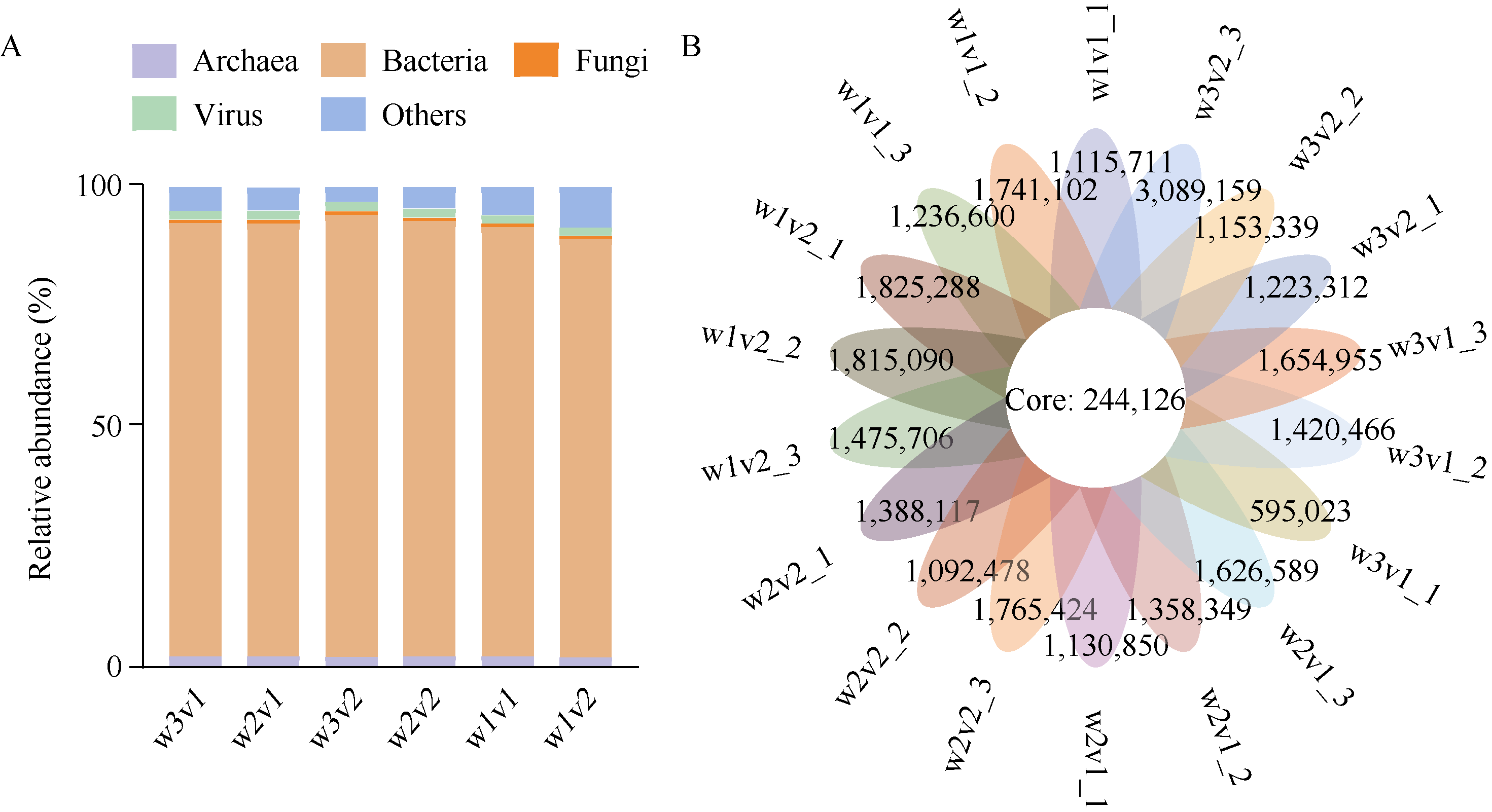
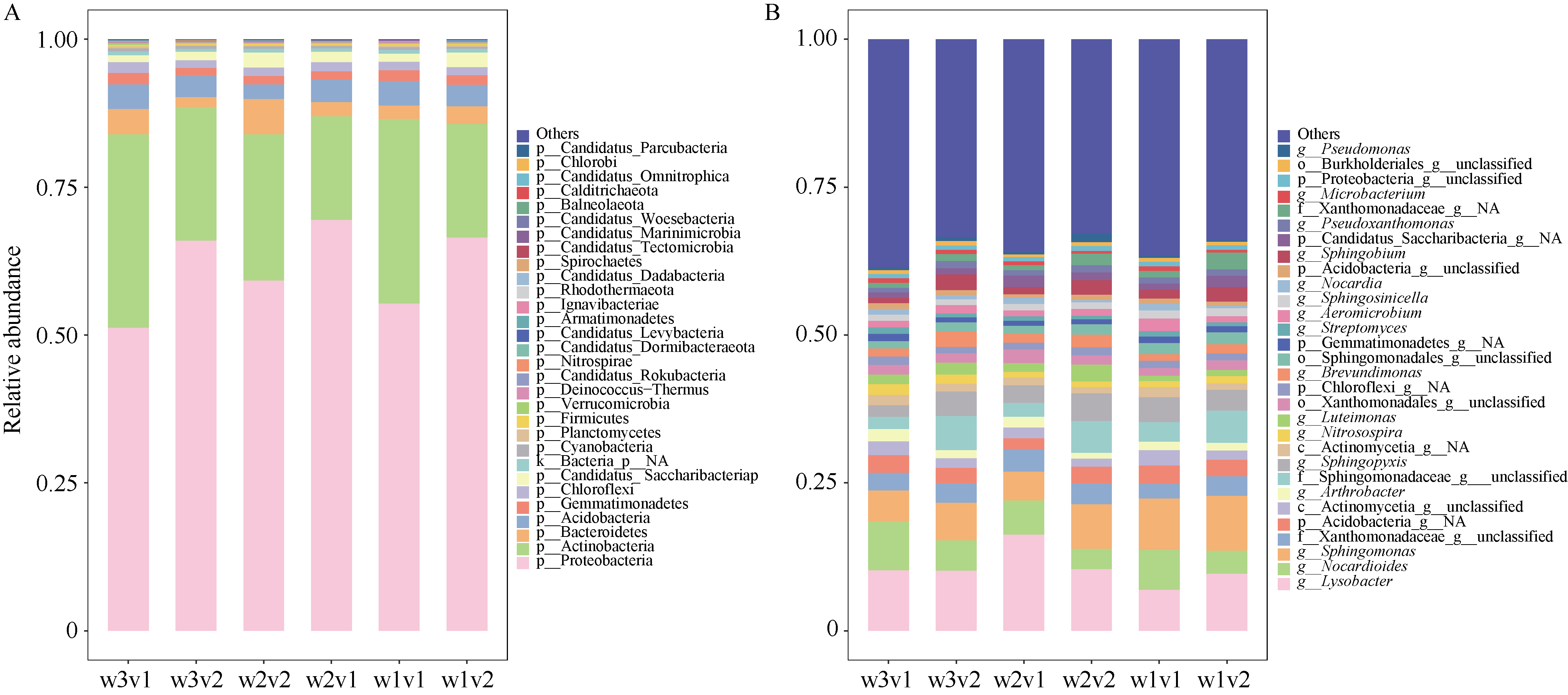
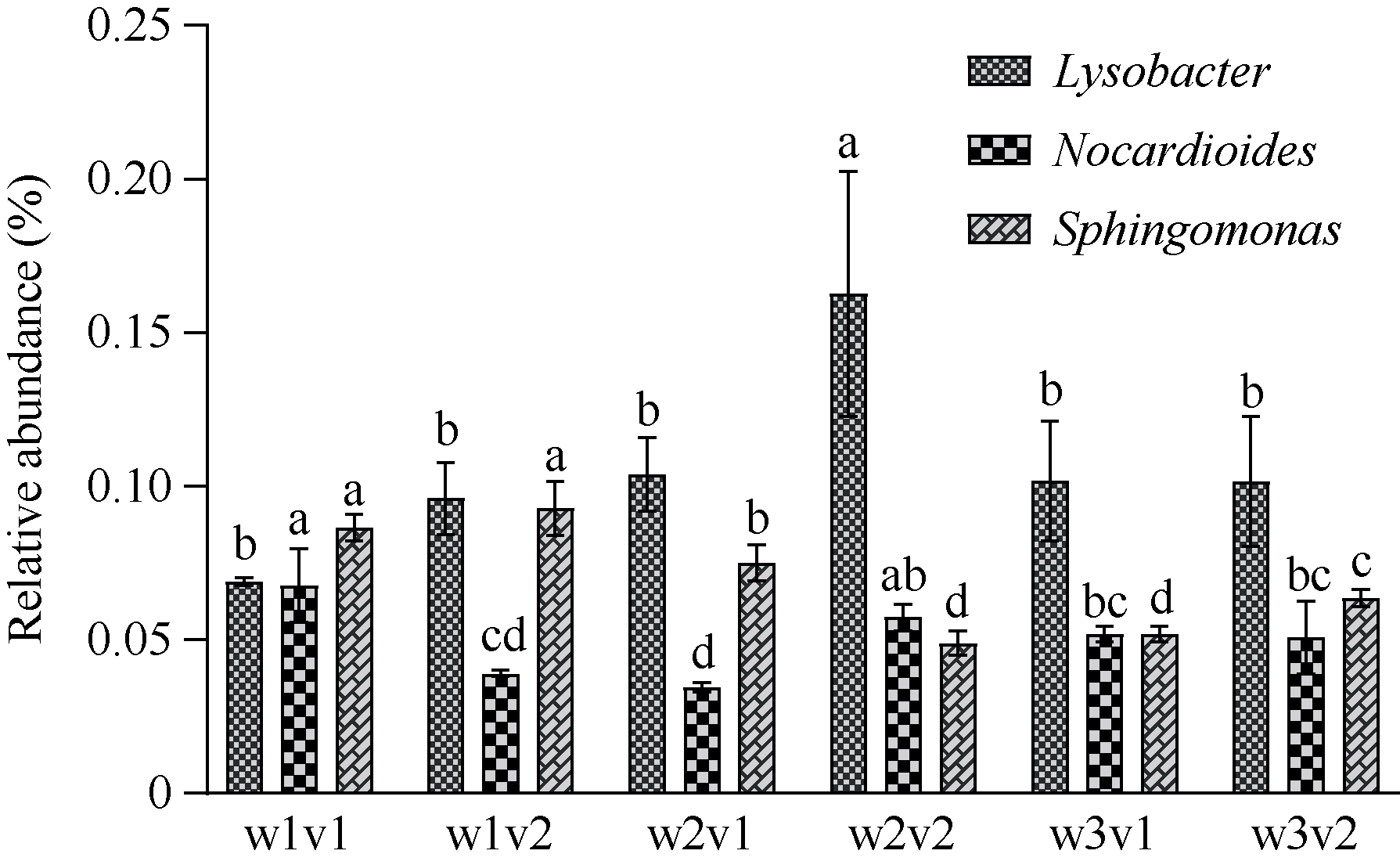
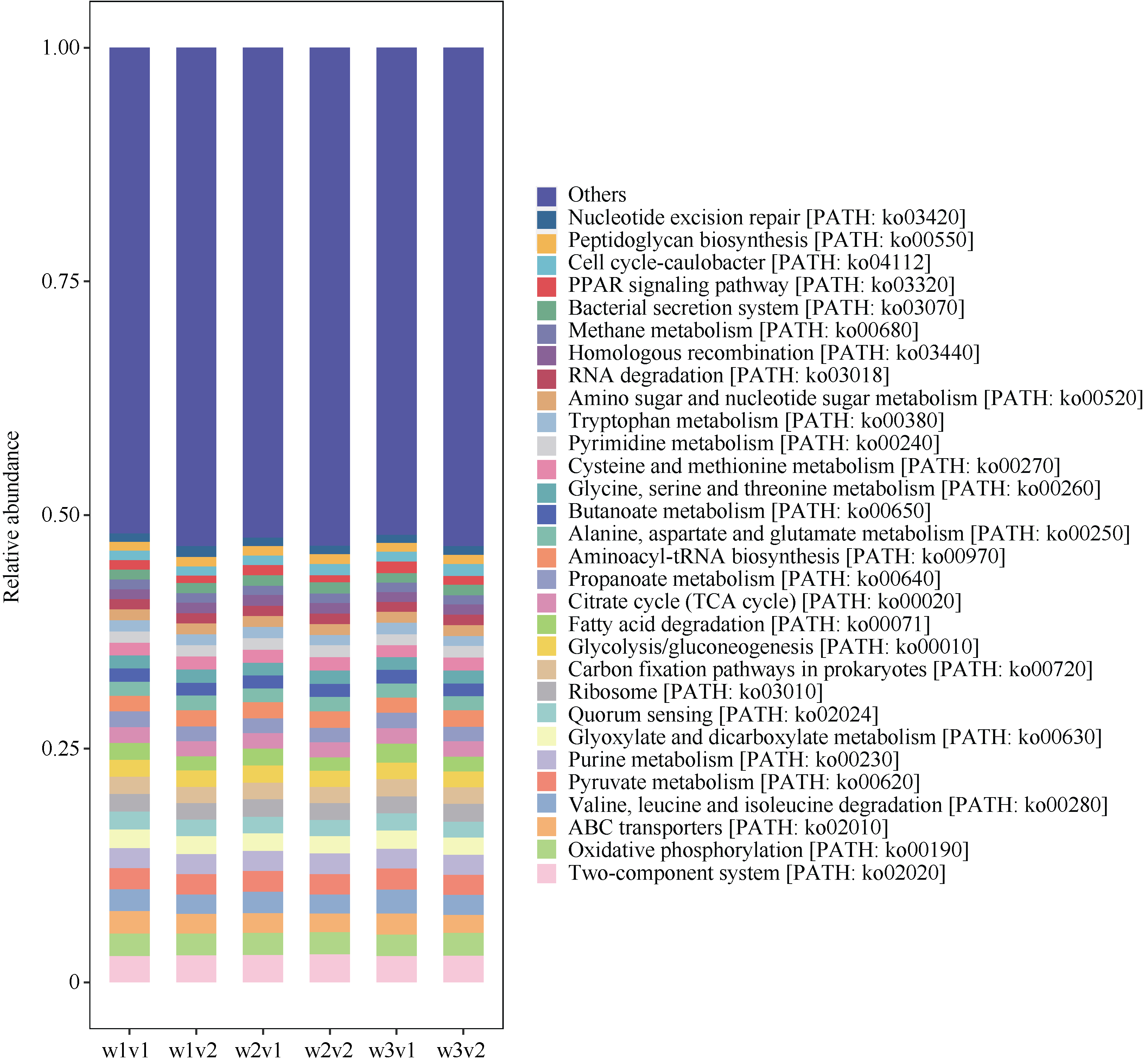
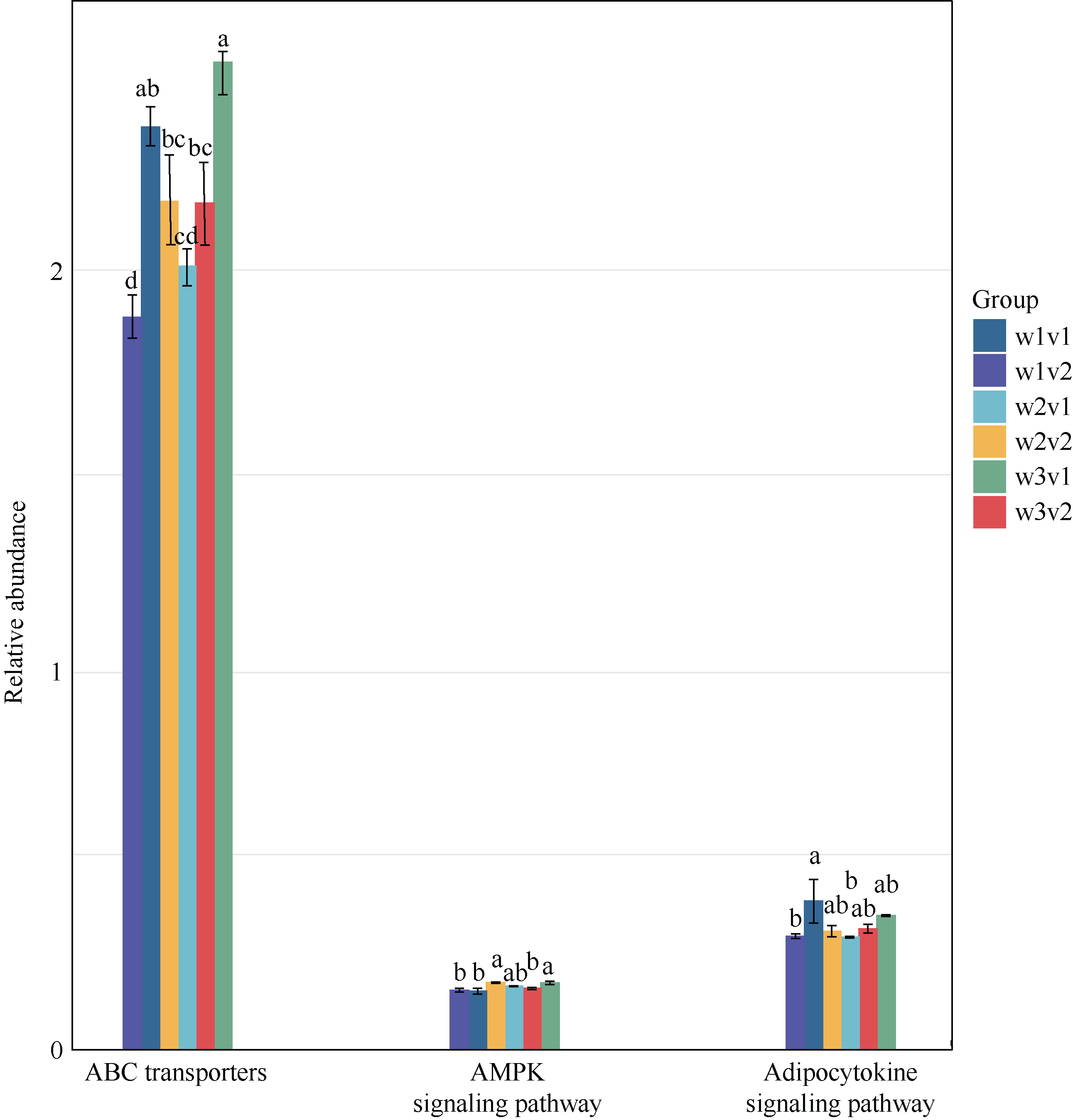
摘要: 马铃薯是全球重要的粮食作物, 但其生长极易受到干旱胁迫的影响。干旱不仅会降低马铃薯产量, 还会改变其根际微生物群落结构, 进而影响植株的耐旱性和健康状况。本研究以耐旱型马铃薯C93和干旱敏感型马铃薯费乌瑞它(Favorita)为材料, 在防雨棚土栽条件下, 通过宏基因组测序, 解析了不同干旱梯度下根际微生物群落的结构与功能响应机制。结果表明, 随着干旱程度的增加, Favorita的α多样性先降低后升高, 而C93的α多样性基本保持不变。变形菌门(30.44%~63.00%)和放线菌门为所有处理下的优势菌门, 但属水平组成呈现基因型特异性差异。C93在重度干旱下富集溶杆菌属(10.16%)和鞘氨醇单胞菌属(6.37%), 而Favorita依赖诺卡氏菌属(8.29%)和链霉菌属。功能注释结果表明, 中度干旱胁迫条件下, ABC转运蛋白通路在C93和Favorita应对干旱胁迫时具有重要作用, 而重度干旱胁迫条件下, Favorita主要依赖AMPK信号通路, 而C93主要依赖ABC转运蛋白通路来缓解干旱胁迫。共现网络分析表明, C93通过“核心菌群+功能枢纽”的协同互作模式增强网络稳定性, 而Favorita在干旱胁迫下网络模块化不足, 依赖单一菌群功能扩展, 导致长期抗逆性较弱。本研究初步揭示了马铃薯根际微生物调控抗旱的基因型特异性作用机制, 为抗旱菌剂开发及抗旱技术升级提供理论依据。
| [1] |
Schafleitner R, Gutierrez Rosales R O, Gaudin A, et al. Capturing candidate drought tolerance traits in two native Andean potato clones by transcription profiling of field grown plants under water stress. Plant Physiol Biochem, 2007, 45: 673-690.
doi: 10.1016/j.plaphy.2007.06.003 |
| [2] |
Luitel B P, Khatri B B, Choudhary D, et al. Growth and yield characters of potato genotypes grown in drought and irrigated conditions of Nepal. Int J Appl Sci Biotechnol, 2015, 3: 513-519.
doi: 10.3126/ijasbt.v3i3.13347 |
| [3] |
Obidiegwu J E, Bryan G J, Jones H G, et al. Coping with drought: stress and adaptive responses in potato and perspectives for improvement. Front Plant Sci, 2015, 6: 542.
doi: 10.3389/fpls.2015.00542 pmid: 26257752 |
| [4] |
Bulgarelli D, Schlaeppi K, Spaepen S, et al. Structure and functions of the bacterial microbiota of plants. Annu Rev Plant Biol, 2013, 64: 807-838.
doi: 10.1146/annurev-arplant-050312-120106 pmid: 23373698 |
| [5] |
Bulgarelli D, Garrido-Oter R, Münch P C, et al. Structure and function of the bacterial root microbiota in wild and domesticated barley. Cell Host Microbe, 2015, 17: 392-403.
doi: S1931-3128(15)00031-1 pmid: 25732064 |
| [6] |
Schlaeppi K, Dombrowski N, Oter R G, et al. Quantitative divergence of the bacterial root microbiota in Arabidopsis thaliana relatives. Proc Natl Acad Sci USA, 2014, 111: 585-592.
doi: 10.1073/pnas.1321597111 pmid: 24379374 |
| [7] |
Sun Y M, Guo J J, Alejandro Jose Mur L, et al. Nitrogen starvation modulates the sensitivity of rhizobacterial community to drought stress in Stevia rebaudiana. J Environ Manag, 2024, 354: 120486.
doi: 10.1016/j.jenvman.2024.120486 |
| [8] |
Lundberg D S, Lebeis S L, Paredes S H, et al. Defining the core Arabidopsis thaliana root microbiome. Nature, 2012, 488: 86-90.
doi: 10.1038/nature11237 |
| [9] |
Liu F, Hewezi T, Lebeis S L, et al. Soil indigenous microbiome and plant genotypes cooperatively modify soybean rhizosphere microbiome assembly. BMC Microbiol, 2019, 19: 201.
doi: 10.1186/s12866-019-1572-x pmid: 31477026 |
| [10] |
Li J J, Yang L, Mao S L, et al. Assembly and enrichment of rhizosphere and bulk soil microbiomes in Robinia pseudoacacia plantations during long-term vegetation restoration. Appl Soil Ecol, 2023, 187: 104835.
doi: 10.1016/j.apsoil.2023.104835 |
| [11] |
Gao C, Xu L, Montoya L, et al. Co-occurrence networks reveal more complexity than community composition in resistance and resilience of microbial communities. Nat Commun, 2022, 13: 3867.
doi: 10.1038/s41467-022-31343-y pmid: 35790741 |
| [12] |
Fang J, Shi G F, Wei S L, et al. Drought sensitivity of spring wheat cultivars shapes rhizosphere microbial community patterns in response to drought. Plants, 2023, 12: 3650.
doi: 10.3390/plants12203650 |
| [13] |
Chen Y L, Sun C Y, Yan Y X, et al. Impact of arbuscular mycorrhizal fungi on maize rhizosphere microbiome stability under moderate drought conditions. Microbiol Res, 2025, 290: 127957.
doi: 10.1016/j.micres.2024.127957 |
| [14] |
Kong X G, Guo Z A, Yao Y, et al. Acetic acid alters rhizosphere microbes and metabolic composition to improve willows drought resistance. Sci Total Environ, 2022, 844: 157132.
doi: 10.1016/j.scitotenv.2022.157132 |
| [15] |
Geng H H, Wang F, Yan C C, et al. Rhizosphere microbial community composition and survival strategies in oligotrophic and metal (loid) contaminated iron tailings areas. J Hazard Mater, 2022, 436: 129045.
doi: 10.1016/j.jhazmat.2022.129045 |
| [16] | 牛鸿宇, 郭佳源, 陈勃智, 等. 降解吡啶复合菌系MD1的筛选、降解特性及代谢途径. 微生物学报, 2023, 63: 4330-4343. |
| Niu H Y, Guo J Y, Chen B Z, et al. Screening, degradation characteristics, and metabolic pathway of an efficient pyridine- degrading bacterial consortium MD1. Acta Microbiol Sin, 2023, 63: 4330-4343 (in Chinese with English abstract). | |
| [17] | 雷欢. 一株鞘氨醇单胞菌对多环芳烃的降解特性及菲降解途径研究. 厦门大学硕士学位论文, 福建厦门, 2008. |
| Lei H. Study on the Characteristics of Polycyclic Aromatic Hydrocarbons Degradation by Sphingomonas Strains and the Degradation Pathway of Phenanthrene. MS Thesis of Xiamen University, Xiamen, Fujian, China, 2008 (in Chinese with English abstract). | |
| [18] |
Yan Z H, Jin H, Yang X Y, et al. Effect of rhizosphere soil microbial communities and environmental factors on growth and the active ingredients of Angelica sinensis in Gansu province, China. Folia Microbiol, 2025, 70: 673-687.
doi: 10.1007/s12223-024-01210-y |
| [19] |
Lyu Z Y, Zhang H, Huang Y, et al. Drought priming at seedling stage improves photosynthetic performance and yield of potato exposed to a short-term drought stress. J Plant Physiol, 2024, 292: 154157.
doi: 10.1016/j.jplph.2023.154157 |
| [20] |
Zheng H, Ma J, Huang W L, et al. Physiological and comparative transcriptome analysis reveals the mechanism by which exogenous 24-epibrassinolide application enhances drought resistance in potato (Solanum tuberosum L.). Antioxidants, 2022, 11: 1701.
doi: 10.3390/antiox11091701 |
| [21] |
Qin T Y, Ali K, Wang Y H, et al. Global transcriptome and co-expression network analyses reveal cultivar-specific molecular signatures associated with different rooting depth responses to drought stress in potato. Front Plant Sci, 2022, 13: 1007866.
doi: 10.3389/fpls.2022.1007866 |
| [22] |
邓珍, 徐建飞, 段绍光, 等. PEG-8000模拟干旱胁迫对11个马铃薯品种的组培苗生长指标的影响. 华北农学报, 2014, 29(5): 99-106.
doi: 10.7668/hbnxb.2014.05.017 |
| Deng Z, Xu J F, Duan S G, et al. Effect on growth indicators of 11 potato cultivars in vitro under PEG-8000 stress. Acta Agric Boreali-Sin, 2014, 29(5): 99-106 (in Chinese with English abstract). | |
| [23] | Qin J H, Zhang T T, Meng L L, et al. Evaluation of drought tolerance in exotic potato germplasm. J Plant Genet Resour, 2019, 20: 574-582. |
| [24] |
Qin J H, Dodd I C, Bian C S, et al. Deficit irrigation differentially modulates rhizosphere microbial community and metabolites of two potato genotypes differing in drought tolerance. J Environ Manag, 2025, 373: 123836.
doi: 10.1016/j.jenvman.2024.123836 |
| [25] |
Bolger A M, Lohse M, Usadel B. Trimmomatic: a flexible trimmer for Illumina sequence data. Bioinformatics, 2014, 30: 2114-2120.
doi: 10.1093/bioinformatics/btu170 pmid: 24695404 |
| [26] |
Badri D V, Vivanco J M. Regulation and function of root exudates. Plant Cell Environ, 2009, 32: 666-681.
doi: 10.1111/pce.2009.32.issue-6 |
| [27] |
Stegen J C, Lin X J, Fredrickson J K, et al. Quantifying community assembly processes and identifying features that impose them. ISME J, 2013, 7: 2069-2079.
doi: 10.1038/ismej.2013.93 pmid: 23739053 |
| [28] | Alwutayd K M, Rawat A A, Sheikh A H, et al. Microbe-induced drought tolerance by ABA-mediated root architecture and epigenetic reprogramming. EMBO Rep, 2023, 24: e56754. |
| [29] |
Du L Y, Huang X L, Ding L, et al. TaERF87 and TaAKS1 synergistically regulate TaP5CS1/TaP5CR1-mediated proline biosynthesis to enhance drought tolerance in wheat. New Phytol, 2023, 237: 232-250.
doi: 10.1111/nph.v237.1 |
| [30] |
Wang S J, Xie X N, Che X R, et al. Host- and virus-induced gene silencing of HOG1-MAPK cascade genes in Rhizophagus irregularis inhibit arbuscule development and reduce resistance of plants to drought stress. Plant Biotechnol J, 2023, 21: 866-883.
doi: 10.1111/pbi.v21.4 |
| [31] |
Yao G Q, Nie Z F, Turner N C, et al. Combined high leaf hydraulic safety and efficiency provides drought tolerance in Caragana species adapted to low mean annual precipitation. New Phytol, 2021, 229: 230-244.
doi: 10.1111/nph.v229.1 |
| [32] | Xiang Y, Liu W J, Niu Y X, et al. The maize GSK3-like kinase ZmSK 1 negatively regulates drought tolerance by phosphorylating the transcription factor ZmCPP2. Plant Cell, 2025, 37: koaf032. |
| [33] |
Yang Q, Deng X J, Liu T, et al. Abscisic acid root-to-shoot translocation by transporter AtABCG25 mediates stomatal movements in Arabidopsis. Plant Physiol, 2024, 195: 671-684.
doi: 10.1093/plphys/kiae073 pmid: 38345859 |
| [34] | Hardie D G, Ross F A, Hawley S A. AMPK: a nutrient and energy sensor that maintains energy homeostasis. Nat Rev Mol Cell Biol, 2012, 13: 251-262. |
| [35] |
Bittencourt P P, Alves A F, Ferreira M B, et al. Mechanisms and applications of bacterial inoculants in plant drought stress tolerance. Microorganisms, 2023, 11: 502.
doi: 10.3390/microorganisms11020502 |
| [1] | 陈国欢, 张锐, 李艳迪, 赵佳琪, 任湧涛, 张天赐, 郭华春, 李俊, 杨芳. 外源硒叶面喷施对浅紫色马铃薯块茎花青素合成的影响[J]. 作物学报, 2026, 52(6): 1876-1890. |
| [2] | 王文辕, 燕雪嘉, 刘玉霖, 孙晓彤, 李亚楠, 唐鑫华, 石瑛. 耐弱光马铃薯品种筛选及转录因子编码基因StPIF3的克隆与功能分析[J]. 作物学报, 2026, 52(6): 1631-1645. |
| [3] | 田立涛, 丁宁, 王树林, 齐恩芳, 张荣, 王蕊蕊, 马利雯, 李建武, 杨江伟. 马铃薯Argonaute基因家族鉴定及晚疫病诱导表达分析[J]. 作物学报, 2026, 52(4): 1116-1126. |
| [4] | 张宇, 刘芳, 蔡诚诚, 杨小华, 吉阿么石扎, 杨元军, 王西瑶. 溴乙烷与赤霉素协同处理破除马铃薯块茎休眠的机理初探[J]. 作物学报, 2026, 52(3): 825-838. |
| [5] | 汪玲, 胡好, 宋家凤, 程洁蓝, 陈颖, 郑婷婷, 吕钊彦, 朱晓彪, 侯华兰. 马铃薯UDP-糖基转移酶基因StUGT52的克隆及功能验证[J]. 作物学报, 2026, 52(3): 665-676. |
| [6] | 徐强, 谢奎忠, 胡新元, 岳云, 董博, 罗爱花. 连作对马铃薯根际土壤线虫群落结构与功能的影响[J]. 作物学报, 2026, 52(2): 527-538. |
| [7] | 杨飚, 杜帅康, 张继旺, 石瑛, 张丽莉. 马铃薯III类POD基因家族的全基因组鉴定及其表达谱分析[J]. 作物学报, 2026, 52(2): 405-420. |
| [8] | 孔娜, 刘涛, 刘文婷, 陈刚, 文利超, 邓智超, 郭梅, 李伟, 郭永峰. 烟草NtCEP7基因克隆及其编码小肽在苗期抗旱中的作用分析[J]. 作物学报, 2026, 52(1): 249-261. |
| [9] | 刘海波, 张蕾, 王立琦, 石晓丽, 周文莹, 崔国贤, 佘玮. 苎麻BnGCL1基因响应干旱胁迫的功能研究[J]. 作物学报, 2026, 52(1): 14-27. |
| [10] | 胡城祯, 高维东, 孔斌雪, 王建飞, 车卓, 杨德龙, 陈涛. 小麦TaAPC11基因家族鉴定及TaAPC11-5B参与干旱胁迫的生物学功能研究[J]. 作物学报, 2026, 52(1): 148-164. |
| [11] | 田甲春, 葛霞, 李守强, 李梅, 田世龙, 张亚倩, 程建新, 李玉梅. 低O2高CO2贮藏环境延缓马铃薯块茎衰老的作用机制[J]. 作物学报, 2026, 52(1): 262-278. |
| [12] | 王雅致, 杨飚, 季香林, 石瑛, 张丽莉. 二倍体马铃薯抗旱资源鉴定及抗旱基因初步筛选[J]. 作物学报, 2026, 52(1): 72-84. |
| [13] | 卓峰琦, 唐振三, 雷雨俊, 程李香, 赵甜甜, 吕汰, 杨晨, 张峰. 基于烹饪方式及回生温度筛选低升糖马铃薯品种(系)[J]. 作物学报, 2025, 51(9): 2538-2546. |
| [14] | 朱锦程, 杨秋华, 程李香, 李文丽, 石明明, 李惠霞, 张峰. 马铃薯抗南方根结线虫种质资源筛选及相关生理反应分析[J]. 作物学报, 2025, 51(9): 2307-2317. |
| [15] | 尹丽娜, 张锐, 陈国欢, 白磊, 李俊, 郭华春, 杨芳. 不同马铃薯品种块茎创伤愈合能力的比较[J]. 作物学报, 2025, 51(9): 2399-2411. |
|
||